 1300 223 668

Moving house is the perfect opportunity to take stock of what you own and let go of what you don’t. For Chermside residents, decluttering before moving isn’t just a nice idea. It’s one of the most practical ways to reduce moving costs, simplify packing, and arrive at your new place without dragging unnecessary weight with you.
This guide covers proven pre-move decluttering strategies for Brisbane’s northern suburbs, with real local resources and practical timelines.
Why Decluttering Before Moving Matters?
Every item you move costs money. Moving companies charge based on volume, time, and distance. The less you have, the less you pay and the less you have to unpack at the other end.
Beyond the financial savings, decluttering before a move reduces decision fatigue during packing. When you’ve already sorted through your belongings and made clear keep/donate/sell decisions, packing becomes a much more straightforward task.
For families relocating from larger homes into more compact properties, pre-move decluttering is especially important. It’s far easier to let go of a piece of furniture before moving day than to discover it doesn’t fit and have nowhere to put it at the new address.
When to Start the Process?
Begin your declutter six to eight weeks before your moving date. This timeline allows enough room to sell higher-value items, schedule donations or pickups, and dispose of anything hazardous without the pressure of a looming truck arrival.
A simple suggested breakdown:
Weeks 1–2: Walk through every room. Make an honest inventory of what you own, what you actually use, and what’s been sitting untouched. Research local selling and donation options.
Weeks 3–4: Work through storage areas, wardrobes, and the garage first – these are typically where the most volume hides. Photograph items for sale, book donation pickups, and separate anything requiring special disposal.
Weeks 5–6: Finalise sales, drop off donations, and arrange proper disposal for remaining items. By week six, only confirmed “keep” items should remain in your home.
Starting with two weeks to go is the most common mistake Chermside residents make. Rushed decluttering leads to poor decisions – either keeping too much out of time pressure, or discarding things you later wish you hadn’t.
The Room-by-Room Approach
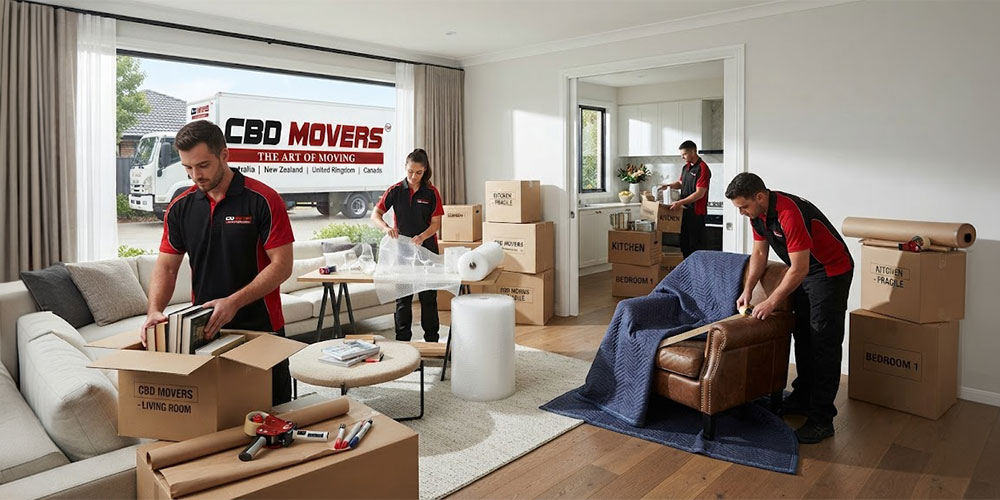
Tackle one room at a time. Jumping between rooms creates the illusion of progress without actually finishing anything. Work through each space completely before moving to the next.
The following order works well for most households:
| Room / Area | Why to Start Here |
|---|---|
| Garage / storage | Highest volume, lowest emotional attachment |
| Wardrobes | Quick wins, high resale potential |
| Kitchen | Non-essentials easy to identify |
| Living areas | Furniture and tech decisions |
| Bedrooms | Personal, allow extra time |
For each room, sort items into five categories: keep, sell, donate, recycle, and dispose. Use labelled boxes or colour-coded bags to stay organised and avoid re-sorting later.
Selling Unwanted Items Before Your Move
Selling before you move has two benefits: it reduces your moving volume and puts money in your pocket to offset relocation costs. Focus your selling efforts on items where the return justifies the time.
High-value categories for Brisbane’s second-hand market include electronics, gaming consoles, quality furniture, kitchen appliances, power tools, bicycles, and children’s equipment. Price items at roughly 60–70 per cent of current retail value for a reasonably quick sale.
List items on Facebook Marketplace and Gumtree with clear photos taken in good natural light. Weekends generate the most enquiries – list Thursday evening so your items are visible through the weekend peak. Be responsive to messages; buyers move quickly and will move on if you don’t reply promptly.
For furniture too large to post and photograph easily, consider listing during Chermside’s warmer months (March–May) when buyers are more willing to pick up larger items.
Donating in Chermside: Local Options
Donating to registered charities with Deductible Gift Recipient (DGR) status allows you to claim the donation as a tax deduction in the financial year it’s made. You can only claim a tax deduction for gifts or donations made to an organisation with DGR status, according to the Australian Taxation Office. There is no upper limit on the amount you can donate, but deductions can only reduce your taxable income to zero Safe Work Australia. Always keep receipts and verify DGR status on the ATO’s ABN Lookup tool before assuming a deduction applies.
Lifeline Brisbane and Salvos stores are the closest well-known DGR-registered options to Chermside. Both accept furniture, clothing, homewares, and books in good condition.
Brisbane City Council also operates Treasure Troves at Acacia Ridge and Geebung – quality second-hand shops run by the Endeavour Foundation. You can donate quality items in reusable condition for free at Council’s Treasure Troves, which are located at Acacia Ridge and Geebung and open every weekend.
Common Decluttering Mistakes That Cost You Money
Starting too late. Beginning with less than two weeks to go forces rushed decisions and removes any chance of selling valuable items. You end up paying to move things you didn’t want, or paying for disposal at the last minute.
Keeping “just in case” items. If you can’t name a specific and realistic future use for something, it doesn’t belong in a moving box. Items that travel “just in case” rarely get used and consistently create storage problems at the new address.
Ignoring hazardous materials until the last moment. Paint, chemicals, and batteries can’t go on the truck. Discovering this the day before a move creates unnecessary stress and expense. Deal with hazardous items at least two weeks out.
Underestimating emotional items. Rooms with sentimental items – children’s artwork, family photos, inherited belongings – take longer than you think. Allow at least 50 per cent more time for these areas. Consider digitising documents, artwork, and photographs to reduce physical volume without losing the memories.
Skipping the garage. Storage areas and garages often contain the highest concentration of items that genuinely haven’t been touched in years. They’re also where the most physical volume hides. Start here, not last.
Professional Decluttering Services: Worth Considering?
Professional organisers are available in Brisbane and can be worth the cost for households facing a tight timeline, an estate move, or significant emotional difficulty in making decisions.
Expect to pay roughly $80–$120 per hour for a professional organiser in Brisbane. That’s a real cost – but weigh it against moving costs for volume you didn’t need to move, plus the time you’d spend sorting yourself. For most standard households with a six-week runway, a structured DIY approach works well. Professional help makes the most sense for estate clearances, hoarded spaces, or moves with less than three weeks of preparation time.
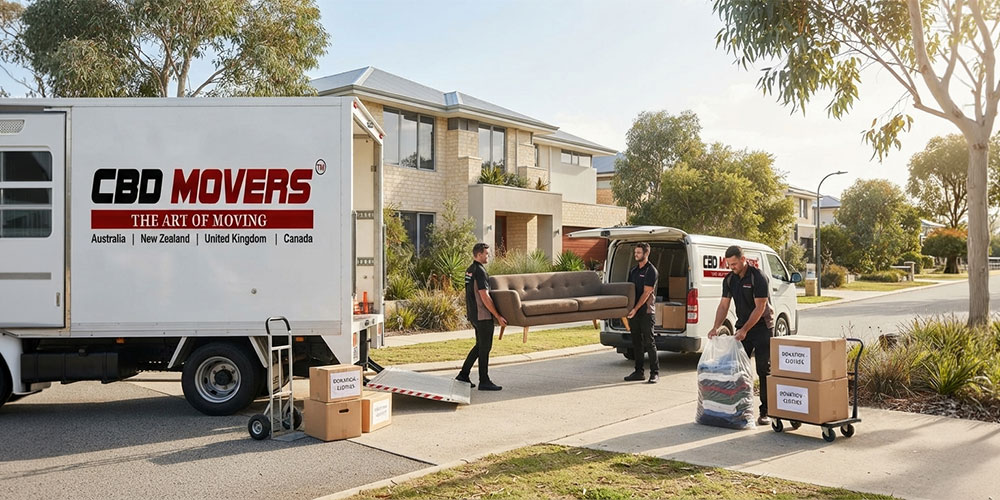
Our removalists in Brisbane can advise on timing your declutter to align with your moving logistics, so nothing falls through the gap between the two.
A Practical Six-Week Timeline
| Week | Focus |
|---|---|
| 1–2 | Full home walkthrough, inventory, research donation/sale options |
| 3 | Garage, storage areas, wardrobes – sort and begin selling |
| 4 | Kitchen, living areas – donate and arrange pickups |
| 5 | Bedrooms, sentimental items – allow extra time |
| 6 | Finalise sales, drop off remaining donations, handle hazardous disposal |
By the start of week seven – which should be your moving week – every item in your home should be something you’ve consciously decided to take with you.
Ready to Move Smarter?
Decluttering before your move is one of the highest-return things you can do with your preparation time. Start early, be honest about what you actually use, and take advantage of Chermside’s genuinely good local recycling and donation infrastructure.
CBD Movers has helped thousands of Brisbane families relocate efficiently and without the stress of moving more than they needed to. Contact our Chermside removalists team today for an obligation-free quote and let us help you plan a move that’s leaner, faster, and less expensive.
Frequently Asked Questions
This depends on your home size and how much you’ve accumulated, but the savings are real. Fewer boxes means less truck space, less time, and lower cost. Selling even a modest amount of furniture and electronics can return several hundred dollars. The bigger your home and the longer you’ve lived there, the more significant the potential savings.
Six to eight weeks before your moving date. This gives enough time to sell, donate, and dispose of items without rushing. Two weeks or less is too late for meaningful selling and creates pressure that leads to poor decisions.
Lifeline Brisbane, Salvos stores, and Council’s Treasure Troves at Acacia Ridge and Geebung are your best options. Many accept free furniture pickups – ring ahead to confirm eligibility and availability.
Brisbane City Council’s resource recovery centres accept paint and household chemicals. The Nudgee centre is closest to Chermside. Check the Council website for current operating hours and accepted materials before visiting.
Chermside Library hosts a community recycling hub that accepts small e-waste items. For larger items like TVs and laptops, the Nudgee Resource Recovery Centre accepts these for free.
Donations to registered DGR organisations are deductible in the financial year they’re made. Always verify DGR status on the ATO’s ABN Lookup tool and keep your receipts. The ATO sets no upper dollar limit on donations – your total deduction is simply limited to your taxable income for the year.
Room by room works best before a move. It creates clear visual progress, is easier to manage with a busy household, and helps you coordinate packing the same space immediately after decluttering.
Electronics, quality furniture, kitchen appliances, power tools, sports equipment, and children’s gear all sell well in Brisbane’s second-hand market. Price at roughly 60–70 per cent of current retail for a quick sale.