 1300 223 668

Moving to a new home in Bankstown is exciting, but it can quickly become overwhelming without careful planning. Downsizing before moving is one of the most effective ways to reduce stress, save time, and create a more organised transition. By systematically sorting belongings, identifying items to keep, and optimising packing strategies, households can ensure a smoother relocation. Strategic decluttering before moving not only simplifies packing but also helps families focus on essentials, giving them a head start in their new home.
Bankstown presents unique challenges for moves. Many homes are older or have limited storage, and apartment complexes often impose restrictions on elevator use, parking, and loading. Thoughtful downsizing allows homeowners to make more efficient use of space, prevent unnecessary transport of clutter, and reduce the number of items to handle on moving day. Following structured declutter strategies ensures that each stage of the move progresses smoothly while keeping priority belongings accessible.
Key Benefits of Downsizing When You Plan to Move
Engaging in downsizing offers multiple advantages:
- Minimises time spent packing and unpacking
- Reduces moving costs by lowering volume and weight
- Makes the new home more organised from day one
- Helps identify and dispose of items that are no longer useful
- Supports safer transport of fragile and high-value possessions
Careful planning ensures families in Bankstown enjoy a less stressful move while maximising space and efficiency in their new home.
Understanding Bankstown Homes for Effective Downsizing
Bankstown homes vary from older suburban houses to modern apartment complexes. Storage limitations, parking restrictions, and tight hallways can complicate moving logistics. Downsizing before moving allows homeowners to address these challenges proactively.
Key considerations include:
- Assessing available storage space in the new property
- Understanding elevator or loading dock restrictions in apartments
- Evaluating furniture and décor for relevance and condition
- Planning which items are essential, seasonal, or disposable
Following these steps early ensures decluttering is more manageable and reduces last-minute stress.
Bedroom Downsizing and Packing Tips
Bedrooms often contain a mix of clothing, personal items, and furniture. Downsizing before moving bedrooms helps simplify packing and reduces the number of boxes to transport.
Tips for bedroom downsizing:
- Sort clothing by season or frequency of use
- Identify items to donate, recycle, or discard
- Use wardrobe boxes for hanging garments
- Keep daily essentials in a clearly labelled box
Starting with bedrooms builds momentum, helping homeowners in Bankstown establish a structured approach for other areas.
Kitchen Downsizing: Streamline and Protect
Kitchens tend to have many small, heavy, or fragile items. Implementing home declutter strategies ensures that only necessary cookware, utensils, and appliances are packed for the move.
Kitchen tips:
- Identify duplicate or rarely used items to get rid of excess stuff
- Wrap fragile glassware individually
- Pack heavier appliances in smaller, manageable boxes
- Label boxes clearly to streamline unpacking
Effective kitchen downsizing reduces damage risk and accelerates setup in the new home.
Living Room Packing and Decluttering
Living rooms often contain bulky furniture, electronics, and décor that can overwhelm a move. Simple decluttering methods allow homeowners to prioritise essentials while discarding items that no longer serve a purpose.
Living room considerations:
- Dismantle large furniture where possible
- Photograph electronics for easy setup later
- Group books, media, and décor for efficient packing
- Label each box according to content and room
These strategies make moving day in Bankstown more manageable while protecting valuable items.
Bathroom Packing and Decluttering
Bathrooms often hide expired products, duplicates, and small items that can cause clutter. Pre-move decluttering ensures only necessary toiletries, cleaning supplies, and medications are packed.
Tips include:
- Dispose of expired or unwanted products
- Use zip-lock bags for liquids
- Pack daily-use items in an accessible box
- Use towels for padding fragile items
This approach reduces the risk of spills and ensures easy access to essential items immediately after the move.
Home Office Downsizing
Home offices often include sensitive documents, electronics, and office equipment. Downsizing protects important items and simplifies relocation.
Home office tips:
- Back up digital data before packing computers
- Sort documents and get rid of excess stuff
- Label all boxes clearly for easy retrieval
- Pack equipment securely to prevent damage
Structured decluttering makes resettling in a new home more efficient and reduces the likelihood of misplaced items.
Garage and Storage Areas
Garages and sheds are often the last spaces considered during a move, but they typically contain bulky, hazardous, or infrequently used items. Downsizing before moving improves safety and organisation.
Garage packing essentials:
| Item Type | Packing Strategy | Notes |
| Tools | Secure and pack separately | Drain fuels to avoid hazards |
| Seasonal Items | Sort and label | Store for easy access |
| Equipment | Wrap and protect | Prevent damage during transit |
Simple decluttering methods applied here reduce moving complexity and ensure safer handling.
Children’s Rooms: Minimal Disruption
Packing and downsizing children’s rooms requires a balance between organisation and maintaining routines. Pre-move decluttering allows families to remove unnecessary toys or clothing while preserving favourites.
Tips:
- Pack toys and books gradually
- Keep daily essentials accessible until the last day
- Involve children in light packing tasks to encourage engagement
- Donate items no longer used to get rid of excess stuff
This ensures a smoother transition and helps children feel secure during the move.
Laundry and Utility Rooms
Laundry areas often contain appliances, chemicals, and bulky items. Downsizing before moving reduces unnecessary items and simplifies logistics.
Steps include:
- Clean appliances and disconnect hoses
- Pack detergents and chemicals in labelled containers
- Identify items to discard or donate
- Ensure appliances are protected for transport
Following decluttering and cleaning before moving routines minimizes damage and saves time on moving day.
Managing Packing Supplies Efficiently
Proper packing supplies are essential to a successful move. Maintaining consistency in box sizes, labels, and materials reduces confusion and accelerates the packing process.
Essential supplies:
- Sturdy boxes of multiple sizes
- Packing tape and labels
- Bubble wrap and protective padding
- Furniture covers for large items
Combining effective packing with home declutter strategies ensures smoother handling and a safer move.
Labelling and Inventory Control
Clear labelling and inventory management help homeowners track what’s packed, what remains, and where each item belongs.
Recommended steps:
- Label each box by room and content
- Maintain an inventory checklist
- Verify items during loading and unloading
These practices prevent lost items and improve unpacking efficiency in the new home.
Timeline for Downsizing and Packing
| Stage | Recommended Timing |
| Non-essential rooms | 3–4 weeks before move |
| Kitchen | 7–10 days before move |
| Daily essentials | 2–3 days before move |
| Final checks | Day before move |
Following a structured timeline ensures pre-move decluttering and packing are completed systematically.
Common Downsizing Mistakes to Avoid
Many homeowners rush the downsizing process, resulting in packed items that are rarely used, mislabelled boxes, and unnecessary stress. Avoid overpacking, mixing items from different rooms, or postponing decluttering. Applying decluttering methods ensures a more organised, efficient move and reduces the risk of damaged or misplaced belongings.
Why Organisation Matters on Moving Day
Clearly labelled, downsized boxes allow faster loading and easier placement in the new home. Following home declutter strategies prevents unnecessary reshuffling, reduces handling time, and ensures essential items are prioritised. Proper organisation enables movers to work efficiently, giving families peace of mind and reducing move-day stress in Bankstown.
Why Choose CBD Movers
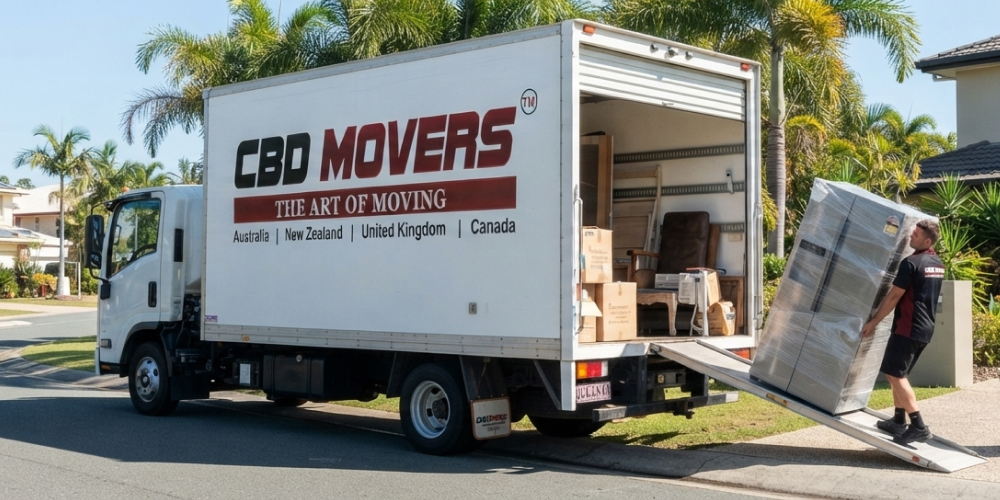
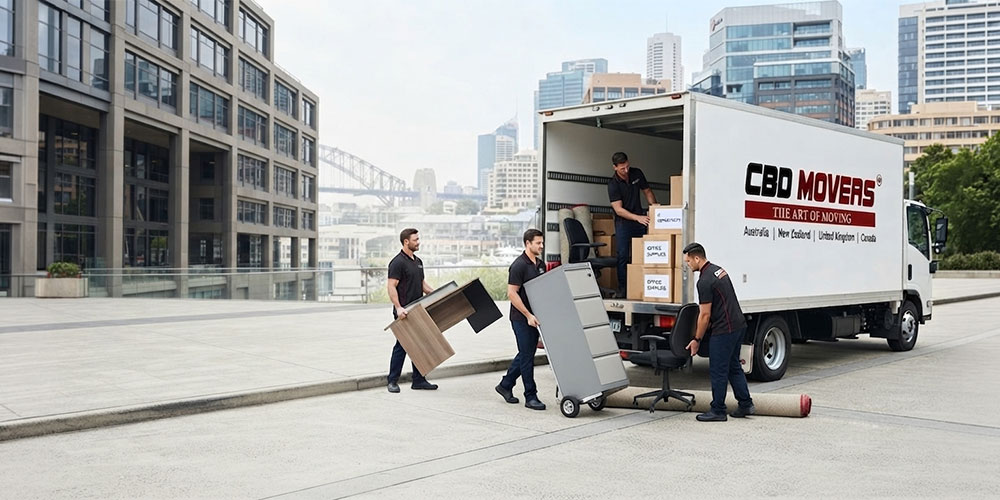
Professional movers in Bankstown provide essential expertise for local and regional relocations. Experienced teams understand how to handle fragile, bulky, and high-value items safely. With knowledge of local roads, building access restrictions, and optimal loading strategies, CBD Movers ensures that each stage, from packing to unloading, is efficient, secure, and predictable, helping households enjoy a smooth, stress-free relocation experience.
Additionally, CBD Movers offers reliable interstate moving services, managing long-distance logistics, secure transport, and coordinated delivery schedules to ensure belongings arrive safely and on time, regardless of destination.
Final Thoughts: Downsizing With Confidence
Packing and moving don’t have to be overwhelming. Following a detailed timeline and approaching each room systematically provides structure, clarity, and control. Downsizing combined with professional support and effective home declutter strategies, ensures a smoother, faster, and more organised transition to a new Bankstown home.
Ready to Start Your Bankstown Move?
For those planning a move in Bankstown, careful planning helps reduce stress, save time, and improve efficiency. Contact CBD Movers today to plan your relocation with confidence and professional guidance from start to finish.
Frequently Asked Questions
Start by sorting items into keep, donate, sell, and discard categories. Schedule short sessions, focus on one space at a time, and remove unwanted items immediately to prevent second-guessing or clutter returning during the process.
Focus on high-impact areas first, such as storage spaces and shared rooms. Use clear criteria for decisions, set limits for sentimental items, and maintain momentum by completing each area fully before moving on to avoid.
Yes, reducing belongings lowers packing time, labour hours, and vehicle space requirements. Fewer items also decrease risk of damage, simplify inventory management, and make unpacking faster, helping households settle comfortably into their new home sooner.
Begin with quick-win tasks like surface clearing and duplicate removal. Use timers to stay focused, apply consistent rules for keeping items, and stop sessions before fatigue sets in to maintain steady progress throughout the move.
Donations, recycling centres, council clean-up services, and online resale platforms are practical options. Planning disposal early prevents storage issues, supports sustainability, and keeps your moving schedule clear and organised without last-minute stress or unnecessary delays.