 1300 223 668
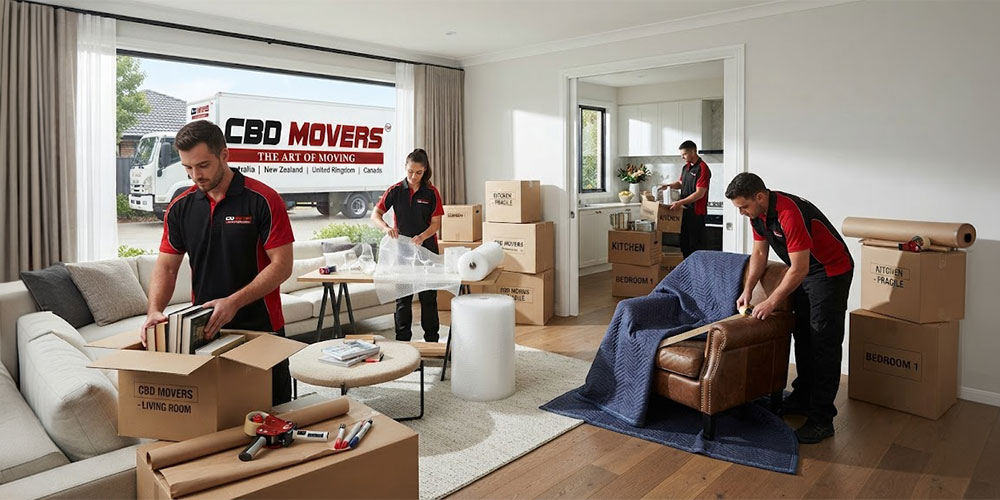
Moving to a new house requires careful planning and a lot of energy. Our team at CBD Movers can help you transport your goods safely. You must also prepare a proper packing checklist for moving to keep things organised.
This helpful guide aims to make your packing phase smooth and simple. Sorting your items early helps prevent lost boxes and broken goods. It gives you the space to manage your time without rushing.
In this guide, we provide a detailed room by room packing guide. We cover the kitchen, bedrooms, living spaces, and outdoor areas. Let us look at how you can aim to make your relocation process highly efficient.
Why You Need a Packing Checklist for Moving
A packing checklist for moving gives you a clear plan of action for your relocation. It aims to stop you from feeling overwhelmed by dividing tasks into smaller steps.
Having a moving checklist helps you track every single box. It ensures you pack non-essential items first and keep daily items until the end. This method typically prevents the panic of losing important documents or daily clothes. A good list supports a steady, organised approach to your transition.
Here are the primary reasons to use a structured list:
- It breaks a large house down into simple, manageable zones.
- It helps you buy the right amount of protective moving blankets.
- It aims to prevent you from packing vital keys or wallets.
- It provides a clear timeline for your entire family to follow.
How a Room by Room Packing Guide Helps You Stay Organised
A room by room packing guide helps you focus on one specific area at a time. This method stops you from jumping between the kitchen and bedroom randomly.
When you pack room by room, you can label your boxes clearly by location. The house removalists then know exactly where to place each box at the new property. This approach aims to make unpacking much faster and simpler. It keeps similar items together so nothing gets lost in transit.
Follow these practical steps to stay focused:
- Pick the least used room to pack up first.
- Finish packing one room completely before starting the next one.
- Label every box with its designated destination room.
- Keep all hardware and screws taped to their matching furniture.
The Kitchen: Sorting Your Most Complex Room
The kitchen is typically the hardest room to pack due to fragile items and food. You should aim to start packing your kitchen at least two weeks early.
You need to sort your heavy appliances, fragile plates, and pantry items very carefully. Wrap your delicate dishes in protective moving blankets or thick paper. Keep a small box of daily plates and cups for your final days. This aims to keep your family fed without digging through packed boxes.
Follow these tips for the kitchen area:
- Empty and defrost your fridge two days before moving day.
- Pack your heavy pots and pans at the bottom of strong boxes.
- Wrap sharp knives in thick towels to prevent accidental cuts.
- Throw away open food packets that might spill during the drive.
Saving Energy With Kitchen Appliances After Moving
Setting your appliances correctly after your move can save you a lot of money. Appliances are big energy guzzlers in the home. Changing how you use them can make significant savings.
When you arrive at your new house, set your fridge temperature carefully. The optimal fridge temperature is between 3°C and 5°C. The freezer should sit between minus 15°C and minus 18°C. Every degree lower requires 5% more energy to run.
Here are ways to save energy in your new kitchen:
- Set your fridge to the recommended 3°C to 5°C range.
- Leave a ventilation gap of 5 to 8cm around your fridge.
- Remove any frost build-up in the freezer to improve efficiency.
- Boil only as much water as you need in the kettle.
Energy Efficiency Tips for Your New Kitchen
| Appliance | Energy Saving Action | Potential Benefit |
| Refrigerator | Set temperature between 3°C and 5°C | Avoids using 5% more energy per degree |
| Freezer | Defrost and set to minus 15°C to minus 18°C | Improves efficiency and saves money |
| Dishwasher | Wait until you have a full load before running | Reduces unnecessary water and power use |
| Kettle | Boil only the required amount of water | Cooks and cleans with less energy |
Packing the Lounge and Living Areas
Your living areas hold bulky furniture and delicate electronics that need careful handling. You should pack your books, DVDs, and decorations before tackling the heavy items.
Wrap your television and sound systems in thick protective moving blankets. Remove all cables and store them in a clear plastic bag. Take a photo of the cable connections before you unplug anything. If you use our movers and packers, we aim to help load these bulky items safely into the truck.
Steps for packing your living room safely:
- Pack heavy books into small boxes so they are easy to lift.
- Remove the legs from your sofa to make it fit through doors.
- Tape remote controls directly to their matching electronic device.
- Wrap all fragile lamps and picture frames in thick protective blankets.
Managing Home Entertainment Systems
Home entertainment products are responsible for at least 5% of household energy use. You should plan where these go in your new lounge room carefully.
When setting up your TV and stereo in the new house, remember they draw power constantly. These products generally have 4 power modes and can draw power even when not in use. Switching appliances off at the wall after use aims to reduce your bills.
Keep these electronic tips in mind:
- Pack all game consoles in their original boxes if you have them.
- Switch appliances off when you are not using them.
- Unplug chargers once your phone or tablet is fully charged.
- Keep all cords tied up neatly to avoid tripping hazards.
Bedrooms: Sorting Clothes and Personal Items
Bedrooms are full of personal items, clothes, and bedding that need sorting. A moving out checklist helps you decide what to keep and what to donate.
Start by packing all your out-of-season clothes and extra blankets early. Leave one suitcase per person for the clothes you need during the final week. You can use your clean towels and jumpers to wrap fragile bedside lamps. This method saves space and provides great protection for your delicate goods.
Follow these simple bedroom packing tips:
- Wash and dry all your bedding before placing it in boxes.
- Leave your clothes on their hangers and place them in tall wardrobe boxes.
- Put all your valuable jewellery and passports in a private bag.
- Keep a fresh set of bed sheets handy for your first night.
Packing the Bathroom Safely
Bathrooms contain many liquids and glass bottles that can easily leak during transit. You must check every bottle and seal it tightly before packing it away.
Place a small piece of plastic wrap over the top of shampoo bottles before screwing the lid on. Pack all your medicines in a clear box and keep them with you. Discard any old makeup or expired products to save packing space. A first home checklist often suggests keeping toilet paper handy for moving day.
Steps for packing your bathroom items:
- Tape the lids of all liquid bottles shut to prevent nasty spills.
- Pack all sharp scissors and razors in a secure, hard container.
- Keep one small bag with your toothbrush, soap, and a clean towel.
- Dry your shower curtains completely before folding them up.
Preparing the Home Office for Relocation
Packing a home office requires keeping your important documents and computer gear safe. You should back up all your digital files to an external drive before packing.
Place your tax records, birth certificates, and house leases into a secure folder. Wrap your computer monitors in thick blankets to prevent screen scratches. Take clear photos of all the computer wires to help you set it back up. Our furniture removals team can transport the heavy desks, but you must handle your own computer data.
Follow these steps for the home office:
- Keep all sensitive documents in a box that travels in your car.
- Empty all your desk drawers so the desk is light and easy to move.
- Wrap printers carefully and remove the ink cartridges to stop leaks.
- Use strong boxes for your heavy files and reference books.
The Garage and Outdoor Areas
Garages and sheds hold heavy tools and messy garden items that need extra care. You should start cleaning these areas several weeks before your move date.
Bundle your long garden tools, like brooms and rakes, together with strong tape. Drain all the petrol and oil from your lawnmower to prevent dangerous leaks. Make sure your outdoor furniture is clean and dry before the truck arrives. If you have heavy toolboxes, our safe removalists can help lift them carefully.
Tips for packing your garage and garden:
- Throw away any old paint tins or dangerous chemicals properly.
- Clean the dirt off your gardening tools so they do not make a mess.
- Take apart any large outdoor tables or heavy swing sets.
- Wrap your barbecue grills securely so grease does not rub off.
What Are the Top Reasons Australians Move House?
People use a house moving list for many different lifestyle and family reasons. Understanding why people move helps show the trends in the local housing market.
Recent data shows that more than 40% of Australian households reported moving within the last five years. Of all households who moved, 20% reported the main reason was to purchase their own dwelling. Another 12% reported wanting a bigger or better home as their primary motivation. This shows that property ownership and lifestyle upgrades are major goals.
Here are some interesting moving trends:
- 40% of Australian households moved within a five-year period.
- 20% moved to buy their own dwelling.
- 12% moved because they wanted a bigger or better home.
- Moving for family reasons remains a highly common motivation.
Main Reasons Australians Move House
| Main Reason for Moving | Percentage of Recent Movers | Notes |
| Purchase own dwelling | 20% | Up from 16% in 2013-14 |
| Wanted a bigger or better home | 12% | Down from 17% in 2013-14 |
| Family reasons (Ages 15-24) | 28.7% | High factor for younger adults |
| Downsizing (Ages 65+) | 22.2% | Common for older age brackets |
Essential Packing Tips for Interstate Relocations
Moving to a new state requires a much stricter moving house list and better packing. Interstate moves mean your items will spend a long time inside the truck.
You must ensure every box is taped securely at the top and bottom. Label your boxes clearly with your name and your new destination state. Pack your fragile items with extra protective moving blankets to handle the long journey. Careful planning aims to keep your items safe during a massive interstate transition.
Key tips for your long-distance move:
- Use sturdy, high-quality boxes that can withstand a long drive.
- Pack a travel bag with enough clothes for three days.
- Do not pack perishable food or open liquid bottles for long trips.
- Keep your new house keys and wallet with you at all times.
Things to Avoid When Packing Your House
Many people make simple mistakes that make moving day much harder than it should be. A moving home checklist helps you avoid these common packing errors.
Never pack heavy books into large boxes, as they become too heavy to carry. Avoid leaving your packing to the final weekend, as this causes rushing and broken items. Do not pack your essential daily items at the bottom of the truck. If you book our loading and unloading service, proper boxes make the job much faster.
Avoid these common packing mistakes:
- Do not overpack boxes until they bulge at the top.
- Avoid packing flammable liquids, paints, or gas bottles.
- Do not mix items from different rooms into the same box.
- Never leave your fragile items loose without protective blankets.
Conclusion
A detailed room by room packing guide takes the confusion out of your relocation. It aims to keep your belongings safe and your mind at ease.
By following a structured list, you can tackle the kitchen, bedrooms, and garage easily. Remember to start early, use protective moving blankets, and pack a first-night essentials box. Whether you are moving locally or interstate, staying organised is highly important for a smooth day.
If you need a reliable truck or a strong team to lift your boxes, please contact us today. Our team aims to support your transition and make your next house move a great experience.
Frequently Asked Questions
A packing checklist for moving should list timelines, room tasks, and needed packing supplies. It helps you pack non-essential items first and daily essentials last. Using a structured list keeps your entire household organised and calm during your move.
You start a room by room packing guide by choosing your least used area first, like a spare room. Packing one space completely before starting the next prevents clutter and aims to make your final moving week much cleaner.
You should typically begin your moving checklist tasks about four to six weeks before moving day. Starting early gives you time to clear out unwanted items and slowly pack non-essential rooms without rushing during the final week.
The most important part of a first home checklist is arranging utility connections and packing a first-night essentials box. Having power, water, soap, and clean bedding ready ensures a comfortable start at your brand new property.
A moving out checklist helps renters complete cleaning and repair tasks systematically to help secure their bond refund. It reminds you to clean the oven, patch wall hooks, and leave the property in good condition for inspection.