 1300 223 668
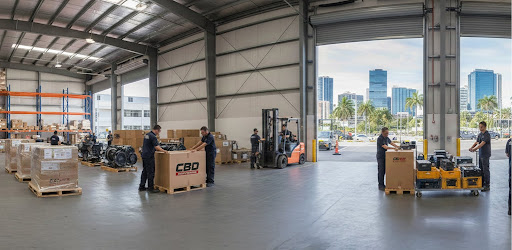
Industrial equipment often represents significant capital investment and needs expert care during warehouse relocation. Professional movers use specialised equipment and techniques for heavy machinery moves.
Protection measures for equipment:
- Custom crating designed for specific equipment dimensions and sensitivities
- Climate-controlled transport when needed for sensitive machinery
- Shock-absorbing mounting systems to prevent damage during transit
- Specialised lifting equipment rated for heavy loads
- Experienced industrial riggers with proper certifications
- Comprehensive insurance coverage for high-value equipment
- Documentation of equipment condition before and after move
Minimising Business Disruption
Phased Moving Approach
Most warehouses cannot completely shut down operations during relocation. Professional movers often create phased warehouse relocation plans to minimise operational disruption while completing the move efficiently.
Benefits of phased moving:
- Business operations continue during transition period
- Inventory remains accessible to fulfill orders
- Staff adjust gradually to new location and systems
- Systems can be transferred and tested incrementally
- Customer service continues without major interruptions
- Revenue loss is minimised or eliminated
- Issues can be identified and addressed before full transition
Typical phased move structure:
- Phase 1: Non-essential equipment and archived inventory
- Phase 2: Office areas and administrative functions
- Phase 3: Secondary production or storage areas
- Phase 4: Primary operations and high-turnover inventory
- Phase 5: Final items and cleanup of old facility
Weekend and After-Hours Options
Many Brisbane businesses choose weekend warehouse relocation timing to reduce operational disruption. This scheduling approach minimises impact on regular business hours while allowing adequate time for complex moves.
Timing considerations for warehouse moves:
- Weekend moves allow continuous weekday operations
- Night-time equipment relocation enables daytime production to continue
- Gradual inventory transfer spreads disruption over time
- Strategic shutdown timing coordinates with slower business periods
- Public holiday opportunities provide extended timeframes without regular business impact
Choosing Professional Services
What to Look for in Industrial Moving Services
When selecting professional services for warehouse relocation, Brisbane businesses should evaluate several key factors to ensure successful outcomes.
Important service provider characteristics:
- Experience Level: Track record with industrial and warehouse moves
- Equipment Capabilities: Access to appropriate lifting and transport equipment
- Insurance Coverage: Comprehensive protection for equipment and inventory
- Project Management: Dedicated coordination throughout the process
- Local Knowledge: Familiarity with Brisbane industrial areas and regulations
- Scheduling Flexibility: Ability to work weekends, nights, or phased timelines
- Safety Record: Demonstrated commitment to workplace safety
- References: Verifiable client testimonials from similar projectsl
Service Range Considerations
Comprehensive warehouse relocation support often includes services beyond basic transportation:
Additional capabilities to consider:
- Complete packing services for inventory and equipment
- Dismantling and reassembly of racking and machinery
- Short-term or long-term storage options for phased moves
- Equipment installation coordination with manufacturers
- Disposal services for unwanted items and old equipment
- Cleaning services for both old and new facilities
- IT infrastructure moving and setup coordination
Budget Planning and Cost Control
Understanding Industrial Moving Costs
Warehouse relocation costs vary significantly based on multiple factors. Understanding these cost drivers helps with accurate budget planning and avoiding unexpected expenses.
Key cost factors affecting warehouse relocation:
- Warehouse Size: Square footage and ceiling height impact labor and equipment needs
- Equipment Type: Specialised machinery requires specialised handling
- Distance: Moving distance affects fuel, time, and logistics complexity
- Racking Complexity: Pallet racking systems vary in dismantling difficulty
- Timing Requirements: Weekend and after-hours work often costs more
- Special Handling Needs: Fragile, hazardous, or oversized items increase costs
- Insurance Requirements: High-value equipment may require additional coverage
Cost Estimation Guidelines
While costs vary significantly, understanding general ranges helps with initial planning:
Approximate cost ranges for Brisbane warehouse moves:
- Small Warehouse (up to 2,000 sqm): $2,000-$4,000+
- Medium Facility (2,000-5,000 sqm): $5,000-$10,000+
- Large Warehouse (5,000+ sqm): $12,000-$25,000+
These are indicative ranges only. Actual costs depend on specific requirements, equipment complexity, and service scope.
Hidden Costs to Remember
Some expenses often get overlooked in industrial relocation planning. Including these in budget planning prevents surprises.
Often forgotten expenses:
- New facility fit-out work and modifications
- Equipment recertification costs after relocation
- Updated signage, line marking, and safety markings
- Staff transport arrangements during transition
- Temporary storage if timing doesn’t align perfectly
- Insurance upgrades for valuable equipment during transit
- IT infrastructure changes and network setup
- Downtime costs and lost revenue during transition
- Training staff on new facility layout and systems
Safety and Compliance
Meeting Australian Standards
Warehouse relocation must meet numerous safety standards and regulations. Professional service providers ensure full compliance, protecting workers, equipment, and the business from liability.
Key safety compliance areas:
- WorkSafe Queensland Requirements: Occupational health and safety regulations
- Heavy Lifting Regulations: Standards for rigging and lifting operations
- Transport Safety Standards: Road safety and load securing requirements
- Storage System Certifications: AS4084-2023 compliance for racking
- Environmental Regulations: Proper handling of hazardous materials
- Building Code Compliance: Ensuring new facility meets all codes
Businesses can reference Safe Work Australia’s standards and codes of practice for comprehensive workplace safety information. For moves involving specialised equipment, piano movers and pool table movers services demonstrate the specialised handling capabilities required for sensitive industrial equipment.
Workplace Safety During Moves
Industrial relocations present numerous safety risks. Professional management of these risks protects everyone involved in the process.
Critical safety considerations:
- Proper training for all personnel involved in the move
- Appropriate personal protective equipment (PPE)
- Clear communication protocols during complex lifts
- Traffic management in loading areas
- Proper securing of loads during transport
- Emergency procedures and first aid availability
- Fatigue management for extended work periods
Risk Management
Industrial moves carry inherent risks that require professional management. Comprehensive risk mitigation procedures minimise the likelihood and impact of problems.
Key risk areas requiring management:
- Equipment Damage Prevention: Proper handling, padding, and securing
- Worker Safety Protocols: Training, PPE, and supervision
- Inventory Loss Prevention: Tracking systems and security measures
- Timeline Delay Contingencies: Buffer time and backup plans
- Weather Impact Planning: Protected storage and flexible scheduling
- Business Continuity Protection: Maintaining critical operations during transition
Post-Move Setup and Testing
First Week Operations
The physical move completes the relocation, but work continues. First week setup is crucial for warehouse relocation success and operational efficiency in the new facility.
Week one priorities:
- Equipment Functionality Testing: Verify all machinery operates correctly
- Racking System Inspections: Ensure proper installation and load capacity
- Inventory Verification: Reconcile all items against pre-move counts
- Safety System Checks: Test alarms, lighting, and emergency equipment
- Staff Training: Orient team on new layout and procedures
- Customer Communication: Update partners on new address and capabilities
- Process Optimisation: Identify and address workflow inefficiencies
Testing and Commissioning
Proper testing ensures equipment works correctly in the new environment:
Testing procedures:
- Run equipment under normal operating conditions
- Test safety features and emergency stops
- Verify connections (power, data, compressed air, etc.)
- Check calibration on precision equipment
- Test material handling equipment
- Verify environmental controls (temperature, humidity)
- Document any issues for resolution
Long-Term Success
Successful industrial relocation planning looks beyond moving day. Optimising operations in the new facility ensures the investment delivers expected returns.
Long-term considerations:
- Layout Optimisation: Refining warehouse layout based on actual workflow
- Procedure Refinement: Updating processes to leverage new facility features
- Staff Adjustment Support: Ongoing training and feedback incorporation
- System Efficiency Improvements: Identifying and implementing enhancements
- Future Expansion Planning: Ensuring scalability for business growth
- Maintenance Planning: Establishing preventive maintenance schedules
Location-Specific Considerations for Brisbane
Brisbane Industrial Areas
Different Brisbane industrial areas offer distinct advantages and considerations for warehouse operations:
Major Industrial Precincts:
- Southern Precinct: Large modern facilities, excellent transport links
- Port of Brisbane: Direct shipping access, suitable for import/export operations
- Western Corridor: Growing area with new developments, good highway access
- Northern Logistics Hubs: Access to Sunshine Coast and regional Queensland
Transport and Access
Brisbane’s infrastructure impacts warehouse location selection and relocation logistics:
Key infrastructure considerations:
- Proximity to Gateway Motorway and major highways
- Access to Port of Brisbane for international shipping
- Rail connections for bulk goods
- Distance from Brisbane Airport for air freight
- Local road capacity for heavy vehicles
- Traffic patterns affecting delivery times
Planning Tools and Resources
Creating Your Relocation Checklist
A comprehensive checklist helps manage the complex warehouse relocation process. Key components include:
Essential checklist categories:
- Pre-Move Planning: Budget, timeline, team formation
- Inventory Management: Counting, labeling, tracking systems
- Equipment Preparation: Disconnection, preparation, documentation
- Service Provider Coordination: Movers, IT, utilities, contractors
- Regulatory Compliance: Permits, licenses, inspections
- Communication Plan: Staff, customers, suppliers, stakeholders
- Contingency Planning: Backup plans for potential issues
- Post-Move Setup: Testing, training, optimisation
Project Management Approaches
Effective project management ensures warehouse relocations stay on schedule and within budget:
Project management best practices:
- Assign clear ownership for each task
- Create detailed timelines with milestones
- Hold regular status meetings with stakeholders
- Track progress against plan
- Document decisions and changes
- Maintain risk register
- Ensure clear communication channels
Frequently Asked Questions
Warehouse relocation costs vary significantly by facility size and complexity. Small warehouses (up to 2,000 sqm) typically start from $2,000-$4,000. Medium facilities (2,000-5,000 sqm) generally run $5,000-$10,000. Large operations (5,000+ sqm) typically cost $12,000-$25,000 or more. Actual costs depend on equipment complexity, distance, timing requirements, and specific services needed. Request detailed quotes from professional movers for accurate estimates based on your specific situation.
Timing depends heavily on warehouse size and operational requirements. Small facilities can often move in 2-3 days. Medium warehouses typically need 1-2 weeks. Large operations usually require 3-4 weeks or more. Phased warehouse relocation extends timelines but significantly reduces business disruption. Planning should begin 6-12 months before the desired move date for best results.
Factory moving services typically include equipment assessment and planning, machinery dismantling where necessary, secure packing and protection, specialised transport with appropriate equipment, delivery to new location, reassembly and installation, and testing to ensure proper operation. Professional services also usually include project management coordination, insurance coverage, and compliance with safety regulations throughout the process.
Yes, many businesses maintain operations during warehouse relocation with proper industrial relocation planning. Phased moving approaches allow businesses to continue fulfilling orders and serving customers throughout the transition. Weekend and after-hours moves further minimise disruption to regular business operations. The feasibility depends on business type, inventory requirements, and move complexity. Consulting with professional industrial movers helps determine the best approach for specific situations.
Moving pallet racking in Brisbane requires compliance with Australian Standard AS4084-2023. Professional services should include qualified engineers for dismantling assessments, proper documentation of load capacities, careful dismantling to prevent damage, secure transport of components, professional reassembly ensuring proper connections, engineering certification of installation, and post-installation load testing. Pallet racking systems are significant investments that require expert handling to ensure safety and longevity.
Professional warehouse relocations typically utilise forklifts (various capacities), pallet jacks (manual and electric), industrial lifts and cranes for heavy machinery, specialised rigging equipment for complex lifts, trucks ranging from 3-ton vans to large articulated vehicles, protective materials (blankets, straps, crating), and measuring and documentation tools. All equipment should be regularly maintained and operated by certified personnel to ensure safety and efficiency. For smaller warehouse components, two men and a truck Brisbane services can provide flexible, cost-effective solutions.
Professional moving companies typically provide transit insurance as part of their services. Coverage usually includes equipment, inventory, and potential facility damage during the moving process. For high-value equipment or specialised machinery, additional insurance coverage may be advisable. Businesses should review insurance terms carefully and consider whether their existing business insurance provides adequate coverage during the transition period. Discussing insurance requirements with service providers before signing contracts ensures appropriate protection.
Book warehouse relocation services 6-12 months ahead for large warehouses to ensure adequate planning time and secure preferred dates. Small to medium facilities typically need 3-6 months’ notice. Earlier booking provides more service provider options, better rates, and adequate time for thorough planning. However, many professional movers can accommodate urgent relocations with shorter notice when necessary, though this may limit options and increase costs.
For related resources, explore guides on choosing professional removalists and understanding relocation timelines. Businesses relocating between major cities should consider interstate movers Brisbane for cross-state warehouse transitions.
Conclusion
Warehouse relocation in Brisbane requires comprehensive planning, professional expertise, and careful execution to minimise business disruption while ensuring safety and efficiency. Understanding the Brisbane industrial market, creating detailed industrial relocation plans, properly handling specialised equipment like pallet racking systems, and maintaining operations during the transition are all critical success factors.
This guide provides general information about warehouse relocation processes, considerations, and best practices for Brisbane businesses. Successful warehouse relocations typically involve collaboration between business management, professional moving services, IT specialists, equipment technicians, and regulatory authorities to ensure all aspects of the move meet requirements and support business continuity.