 1300 223 668
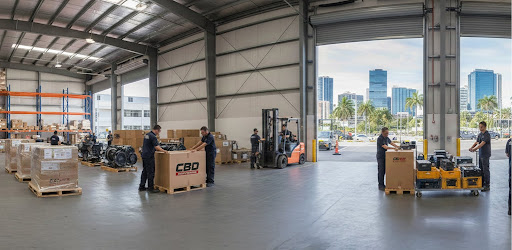
Brisbane businesses face unique challenges with warehouse relocation. Moving industrial facilities requires careful planning and coordination. This comprehensive guide helps Brisbane businesses understand the warehouse relocation process and plan successfully for industrial moves.
Understanding Warehouse Relocation in Brisbane
Brisbane’s Growing Industrial Market
Brisbane’s logistics sector is experiencing significant growth. Queensland’s warehousing market supports agricultural exports and mining operations, with Brisbane serving as a major logistics hub for regional distribution throughout Australia and the Asia-Pacific region.
The Australian warehousing market reached $117 billion in 2024. Brisbane’s Southern precinct expects 309,000 sqm of new industrial warehousing development, demonstrating the scale and importance of proper warehouse relocation planning in this growing market.
Businesses considering warehouse moves should also explore comprehensive removalists Brisbane services for expert local knowledge.
What warehouse relocation typically involves:
- Moving heavy industrial equipment safely
- Relocating entire inventory management systems
- Shifting office spaces within facilities
- Transporting specialised machinery
- Relocating production line equipment
- Moving warehouse storage systems including racking
Brisbane Warehouse Market Overview
| Metric | Data |
| New Supply (2024) | 309,000 sqm under construction |
| Market Value | Part of $117 billion national market |
| Key Sectors | E-commerce, manufacturing, logistics |
| Growth Drivers | Agricultural exports, mining activities |
| Main Hubs | Southern precinct, port areas, Western corridor |
Why Businesses Relocate Warehouses
Companies relocate warehouses for various strategic and operational reasons. Understanding these drivers helps with planning effective warehouse relocation projects.
Common relocation drivers include:
- Lease expiry or significant rent increases
- Business expansion requiring more space
- Better location for distribution routes and logistics
- Access to modern facilities with automation capabilities
- Consolidating multiple locations for efficiency
- Proximity to transport infrastructure (ports, highways, rail)
- Changing customer base or market focus
Jobs and Skills Australia notes that transport and warehousing employment grew by 9,800 workers in 2024, reflecting industry expansion that often necessitates warehouse relocations across Brisbane and Queensland.
Creating Your Industrial Relocation Plan
12 Months Before Moving
Starting planning early for warehouse relocation is essential. Large industrial facilities require comprehensive industrial relocation plans, and experts typically recommend a full year of preparation for major moves.
Year-ahead planning tasks:
Initial Planning Activities:
- Form a relocation committee with key staff from operations, IT, logistics, and management
- Set realistic budget accounting for direct moving costs and indirect business disruption
- Research and evaluate new warehouse locations carefully
- Assess current inventory systems and identify improvement opportunities
- Review existing contracts and lease obligations
- Begin conversations with potential service providers
The University of Tasmania’s logistics programs emphasise that warehouse planning requires thorough examination of receiving, storage, and dispatch processes. Understanding these operations deeply before moving helps maintain efficiency during transitions. Safe Work Australia guidelines provide essential information on workplace safety during industrial relocations.
6 Months Before Moving