 1300 223 668
Planning a move? Great. But before you start packing everything into boxes, there’s something crucial you need to know. Not everything in your home can go on the moving truck.
Our professional movers operating in Castle Hill, have strict policies about what they can and cannot transport. These restrictions exist for good reasons: safety, legal compliance, and liability protection.
This blog will walk you through the non-allowable items you need to watch out for. We’ll also cover best practices for labelling moving boxes and keeping a moving inventory list.
Why Movers Refuse Certain Items
Removalists don’t reject items just to make your life harder. There are legitimate reasons behind these restrictions.
First, there’s safety. Hazardous materials can leak, spill, or even explode during transport. This puts the moving crew at risk and could damage your other belongings.
Second, legal restrictions play a big role. Australian regulations prohibit the transport of certain items without special permits or handling procedures. Movers who violate these rules face serious penalties.
Third, there’s insurance and liability. If something goes wrong with a prohibited item during your move, the company’s insurance likely won’t cover it. That leaves both you and the mover exposed to financial risk.
We also need to keep in mind that local Castle Hill regulations may add further restrictions. Even if an item is legal to own, our movers may still refuse to take it because of their insurance requirements and safety protocols.
The bottom line? These restrictions protect everyone involved.
Common Non-Allowable Items with Movers in Castle Hill
Let’s get specific. Here’s what Movers typically won’t move, along with what you should do instead:
| Item / Category | Why It’s Non-Allowable / Risk | What To Do Instead / Alternative |
| Household cleaning chemicals / toxic products | Hazardous materials with risk of leakage, spillage, toxicity | Dispose before moving, or transport separately following hazardous materials rules |
| Fireworks or explosives | High risk, usually banned by transit laws | Dispose or surrender per local regulations |
| Firearms / weapons | Legal restrictions, liability risk | Use authorised courier service, or legal transport channels |
| Illegal or controlled substances | Illegal, strictly prohibited | Do not attempt to move with removals |
| Perishable food items / plants | Risk of spoilage, damage, pest regulations | Transport separately or discard |
| Extremely fragile hazardous items (chemicals, corrosive agents, petrol containers) | Safety risk, insurance liability | Exclude from moving load; handle personally or via specialised service |
We’ve explicitly mentioned cleaning products, fireworks, and firearms in our public FAQ. However, like most professional removalists, we likely restrict other hazardous or regulated items as well.
Here’s a critical tip: Before you start packing, do an “Allowed vs Disallowed” audit of your belongings. Walk through your home and identify anything that might fall into these categories.
Don’t assume something is fine just because it’s in your house. When in doubt, contact your mover directly and ask.
What Movers Do Accept
Now for the good news. Most of your household contents are perfectly fine to move.
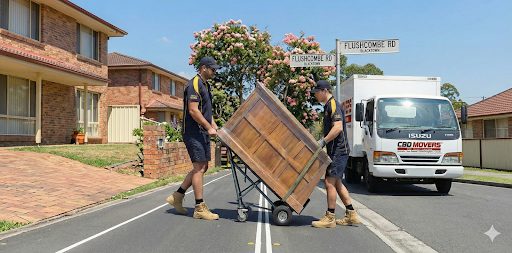
CBD Movers handles bulky items, heavy furniture, fragile items, pianos, pool tables, glass tables, antiques, TVs, and general household goods. Basically, your normal household contents are all acceptable.
For Castle Hill residents or anyone moving locally or interstate, this means planning ahead is straightforward. Set aside the restricted items early. Everything else can go through your normal packing process.
The key is paying attention to those specific restricted categories we discussed earlier.


Moving Box Label System: Best Practices & Tips
Good labeling makes everything easier. For you, for the movers, and for your sanity when you’re unpacking.
Why Labelling Moving Boxes is Important
Labels help movers handle boxes appropriately. They know what’s fragile, what’s heavy, and what goes where. This prevents misplaced items and makes unpacking much simpler. You won’t be hunting through 30 boxes to find your coffee maker on day one.
What to Write on Boxes
Include these details on every box:
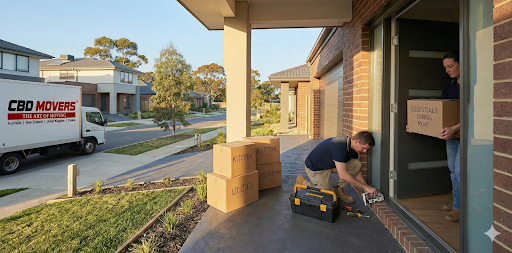
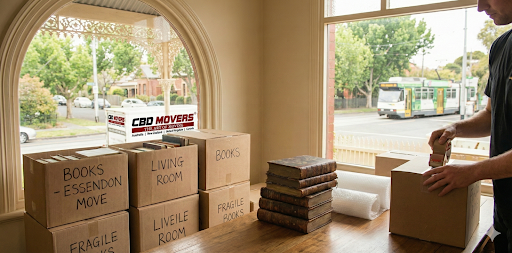
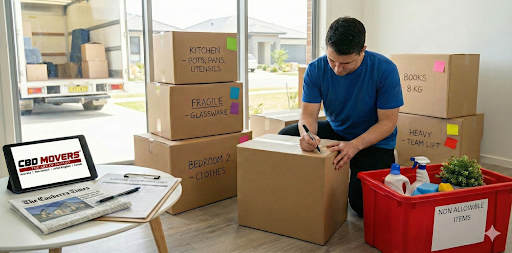
Destination room: Write “Kitchen – Castle Hill House” or “Bedroom 2 – Main”. Be specific about which room in your new place.
Contents: Keep it brief but clear. Examples: “Books – 8 kg”, “Fragile – Glassware”, “Bedroom 2 – Clothes”. This helps you prioritize what to unpack first.
Handling instructions: Mark boxes as “Fragile”, “Heavy – Team Lift”, “Top Load Only”, or “Do Not Stack”. These warnings protect your items and the moving crew.
Box number: Number each box for your inventory system. This creates accountability and helps track everything.
Owner name: Optional, but helpful if multiple people are moving or if items might get mixed up.
Color-Coding System
Consider using colored stickers or markers:
- Red for fragile items
- Blue for heavy boxes
- Green for kitchen and bathroom
- Yellow for miscellaneous
- Purple for priority (unpack first)
Visual coding helps movers sort and prioritize immediately.
The Moving Inventory List
Create a master list in Excel, Google Sheets, or even on paper. Include:
- Box number
- Contents summary
- Estimated weight
- Destination room
- Special handling notes
- This list is your backup system. If something goes missing or gets damaged, you have documentation.
When to Label
Label during packing, before you seal boxes. Mark all sides, not just the top. Boxes get stacked and turned, so multiple labels ensure visibility.
Combining Non-Allowable Items & Labelling Moving Boxes: Your Pre-Move Checklist
Here’s your action plan, especially if you’re in Castle Hill:
- Step 1: Inventory all items in your home. Go room by room.
- Step 2: Identify restricted items (chemicals, hazardous materials, weapons, etc.). Plan their disposal or arrange separate transport.
- Step 3: Pack allowed items and label boxes thoroughly using the system above.
- Step 4: Tell CBD Movers if you have pianos, antiques, glass furniture, or anything requiring special handling. They’ll allocate proper manpower and packing protection.
- Step 5: Create and maintain your moving inventory list. Keep it accessible on moving day and arrival.
The Benefits
Following this process gives you:
A smoother move with fewer surprises Easier unpacking and settlement Reduced risk of damage or loss Better transparency and accountability No last-minute refusals or delays
Taking time to prepare properly saves massive headaches later.
Useful Facts & Data
CBD Movers has completed over 100,000 moves across Australia. They operate more than 200 trucks and maintain a large workforce globally. These numbers indicate they’re handling moves at a serious scale.
What happens if you try to move restricted items? Movers may refuse transport on the spot. Your insurance likely won’t cover any resulting damage. You’re also creating risks for the crew and potentially your other property. It’s simply not worth the gamble.
Professional movers maintain these policies consistently because the risks are real and the consequences serious.
Conclusion
Knowing what movers can’t transport, combined with proper labelling and inventory management, is essential for a successful move.
Your action step? Begin packing early. Label systematically. Contact your movers to clarify what’s allowed. A little preparation now ensures a stress-free, organized relocation.
Happy moving!
Frequently Asked Questions
Why can’t movers take cleaning products or chemicals?
Most cleaning products contain flammable, toxic, or reactive ingredients. During transport, these substances can leak, spill, or become unstable. Movers avoid taking them because they pose a safety risk to the crew and can damage other items inside the truck.
Can movers take my plants or perishable food items?
Movers typically avoid transporting perishable food because it may spoil, attract pests, or leak. Plants can also be restricted due to quarantine regulations, potential pest contamination, or climate sensitivity. In most cases, it is safer and more practical to transport these yourself.
What should I do with items movers won’t transport?
Items that movers cannot take should either be disposed of responsibly, transported personally if allowed by law, or moved through specialised carriers. It is always best to check with your moving company in advance so you know exactly how to handle prohibited goods.
What to write on moving boxes?
Every box should have the destination room, a brief description of its contents, any handling instructions such as “Fragile” or “Heavy”, and a clear label or number that corresponds with your inventory list. This helps ensure everything is placed correctly and handled safely.
Do I really need a moving inventory list?
A moving inventory list is extremely useful because it tracks what’s inside every box, where it should go, and whether anything is missing. It provides clarity during packing, keeps your belongings organised, and gives you documentation in case an item is misplaced or damaged.
How do I estimate the number of moving boxes?
Estimate the number of boxes by considering your home size and how much you own. A one-bedroom usually needs 15–25 boxes, while larger homes may need 40+. Taking a quick room-by-room inventory gives the most accurate count.
In what order should I start packing for a move?
Start with items you rarely use – seasonal décor, books, and storage areas. Then move to less-used rooms and save daily essentials for the final days before the move.
When should I start my moving checklist?
Begin your moving checklist about six to eight weeks before moving. This gives you time to organize tasks, book services, and prepare without rushing.