 1300 223 668
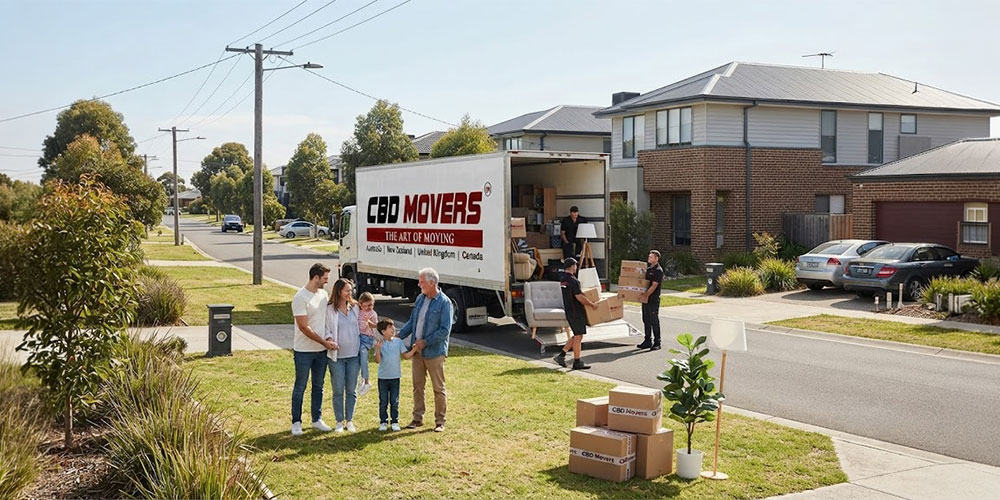
Relocating across Victoria or taking the leap into your very first rental apartment marks an exciting chapter in life. However, once the physical moving day ends and the final boxes sit in your hallway, a different challenge begins: turning a fresh house into an active, comfortable home within a brand-new neighbourhood.
Mastering settling into a new suburb requires more than just unpacking your kitchen crockery. It involves establishing local routines, organising administrative tasks, and actively connecting with your local area. At CBD Movers, our professional teams handle relocations for thousands of Victorians each year. We know that feeling at home relies on combining a practical moving checklist, Australia with proactive community engagement.
Whether you are seeking advice on meeting neighbours in Melbourne or organising a comprehensive house move checklist, this detailed guide provides actionable insights for new residents.
Phase 1: Administrative Setup and Local Logistics
Before you can comfortably focus on settling into a new suburb, complete your core administrative setup. Managing domestic logistics early prevents missed bills, lost mail, and service interruptions.
- Finalise Address Updates and Postal Redirection: Updating your postal records ensures personal correspondence reaches your new door. Add these key entities to your initial relocation checklist:
- Government & Statutory Services: Update details via myGov for Medicare, the Australian Taxation Office (ATO), Centrelink, and the Victorian Electoral Commission.
- Transport & Driver Licensing: Update your vehicle registration and driver’s licence details via VicRoads within 14 days of moving. If you previously moved interstate, ensure you review your past moving checklist, NSW or relevant state records.
- Financial Institutions & Insurance Providers: Notify your bank, superannuation fund, and health/car insurance companies.
- Postal Redirection: Set up a temporary postal redirection through Australia Post to catch any overlooked subscriptions.
- Verify Utility Connections and Council Schedules: Avoid arriving at your new house in the dark. Confirm that electricity, gas, and reticulated water connections operate on settlement or lease start day.
- Internet Connectivity: Arrange NBN transfer at least two weeks before your move date.
- Waste Management: Check your local Melbourne council website (such as the City of Melbourne, Yarra, or Moreland) to download bin collection schedules for general waste, recycling, and FOGO (Food Organics Garden Organics) bags.
Phase 2: Unpacking Your Household Supplies and Essentials
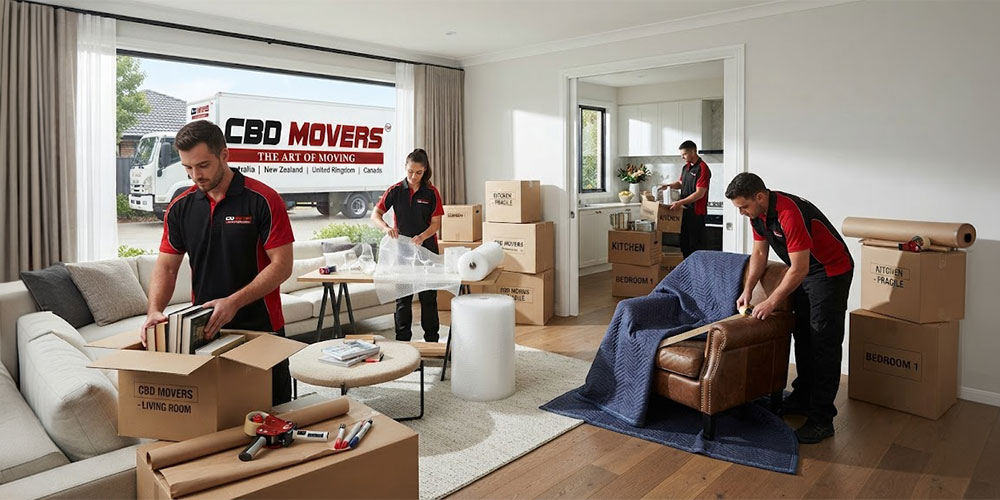
When reviewing a list of things to do when moving house, organising your physical belongings logically cuts settling-in fatigue. Rather than opening random boxes, follow a structured room-by-room approach.
First-Night Household Essentials Checklist
- Kitchen Essentials: Kettle, mugs, instant coffee/tea, plates, bowls, and basic cutlery.
- Bedding Essentials: Fitted sheets, pillows, duvets, and extra blankets for a comfortable night.
- Bathroom Essentials: Bath towels, hand soap, shower curtain, toilet paper, and basic toiletries.
- Utility Essentials: Phone chargers, extension leads, basic tool set, and flashlights.
- Cleaning Supplies: Multi-purpose spray, microfibre cloths, paper towels, and trash bags.
When managing removalists in Melbourne, ensure your team unloads heavy furniture and key appliances into their target rooms first. Placing bed frames, mattresses, and refrigerators early establishes an immediate operational base.
For detailed steps on pre-move preparation, packing supplies, and delicate handling, review our complete guide on packing services in Melbourne.
Phase 3: Meeting Your Melbourne Community and Building Connections
Once your basic living quarters function smoothly, focus on settling into a new suburb through active neighbourhood engagement. Melbourne’s distinct suburban culture thrives on community hubs, local sporting clubs, and neighbourhood coffee spots.
Practical Tips for Meeting Neighbours in Melbourne
Building friendly connections with nearby residents provides security and makes your new street feel welcoming:
- Say Hello During Arrival Week: A simple greeting while watering front garden beds or collecting mail breaks the ice without intruding.
- Share Essential Information: Exchange phone numbers with immediate neighbours for emergency contact, package collection, or bin day assistance.
- Join Suburban Online Groups: Search for verified suburban community groups on platforms like Facebook or Nextdoor. These forums offer excellent advice on finding local trades, tracking down lost pets, or locating neighbourhood events.
Exploring Local Amenities and Green Spaces
Melbourne is famous for its vibrant suburban precincts and public parks. Take time during your first two weeks to explore:
- Frequent Local Cafes: Visiting the same nearby cafe helps you get to know local baristas and small business owners.
- Visit Farmers Markets: Explore weekend markets such as the Queen Victoria Market, Fitzroy Farmers Market, or Camberwell Sunday Market to source fresh produce and meet local traders.
- Utilise Public Libraries: Joining the local municipal library grants access to study spaces, digital resources, and community workshops.
Mastering Moving Out for the First Time
If you are transitioning out of your family home, preparing a clear list for moving out makes the experience far less overwhelming. Knowing what you need when moving out ensures you do not forget crucial household items.
Essential Household Items and Supplies:
- Bedroom: Mattress, pillow set, linen, wardrobe hangers, and bedside lighting.
- Kitchen: Frypan, saucepan, chopping board, chef knife, cutlery set, dish rack, and food storage containers.
- Bathroom & Laundry: Towels, laundry hamper, washing detergent, toilet brush, and plunger.
- Living Area: Lounge sofa, coffee table, TV unit, and dining setting.
- Financial and Budget Planning for First-Time Movers:
- Calculate Upfront Costs: Factor in bond payments (typically 4 weeks rent), rent in advance (2 to 4 weeks), utility connection fees, and moving truck expenses.
- Establish Ongoing Expense Tracking: Create a weekly budget covering groceries, utility bills, internet, and transport costs.
Essential Moving Checklists and Planning Guides
When managing your relocation, using a structured moving to do checklist keeps every stage organised. Below is an itemised breakdown covering your move from start to finish.
Pre-Move Preparation List
- Finalise lease or settlement contracts.
- Request relocation estimates and confirm your moving date.
- Declutter cupboards; donate or sell unwanted household items.
- Source sturdy moving boxes, packing tape, and protective blankets.
- Review your list for moving into a new house to ensure all utilities are scheduled for connection.
Moving Day Checklist
- Complete a final walkthrough inspection of the previous property.
- Keep essential documents, medications, and your day-one kit accessible.
- Direct removalists on furniture placement at the new address.
- Check that main utility connections (water, power, gas) work properly.
Post-Move Settlement Checklist
- Complete address updates (VicRoads, myGov, banks, and electoral roll).
- Set up trash and recycling bins according to council schedules.
- Introduce yourself to immediate street neighbours.
- Explore nearby amenities, parks, public transit routes, and cafes.
Practical Moving House Hacks and Tips
Learning what to do when moving house saves valuable time and energy. Implementing proven moving out tips simplifies packing and unpacking:
- Label Boxes by Room and Priority: Mark boxes with target room names and indicate whether they contain high-priority new home essentials or long-term storage items.
- Keep Cable Arrangements Clear: Take photos of electronic wiring setups behind TVs and computers before disconnecting them.
- Protect Fragile Goods with Blankets: Wrap furniture and delicate items in heavy-duty moving blankets rather than relying solely on thin plastic wrap.
- Pack an Overnight Bag: Keep a weekend bag packed with clothes, toiletries, and chargers so you do not need to search through boxes on night one.
Specialised Relocation Considerations: Interstate and Commercial Moves
Transitioning into a new community looks different depending on whether you are relocating locally, moving interstate, or shifting a commercial workspace.
- Relocating From Interstate: If you are moving to Melbourne from interstate (such as relocating from Sydney, Brisbane, or Adelaide), you face additional administrative timelines. Interstate movers must transfer vehicle registration and driver’s licences via VicRoads within set grace periods. Engaging professional interstate movers in Melbourne ensures large household items arrive securely across state borders.
- Commercial Relocations and Local Business Setup: If your move involves establishing a new office workspace or commercial site alongside your home move, seamless planning prevents costly operational delays. Check our detailed guide on office movers relocation guide for corporate move strategies.
Notice Regarding Office Relocations: Commercial removal services cover standard office furniture such as desks, office chairs, conference tables, and filing cabinets. Removalists do not undertake any IT-related dismantling or disconnection work, including computers, servers, network systems, or wiring. All electronic equipment must be properly disconnected and prepared prior to the scheduled move.
Managing Physical Energy and Moving Stress
Relocating and settling into a new suburb requires considerable physical and mental energy. Protecting your well-being keeps the experience positive:
- Pace Your Unpacking: Avoid trying to empty every container in 48 hours. Aim to clear 3 to 4 boxes each evening after work.
- Maintain Standard Family Routines: Keep regular meal and sleep schedules, especially when moving with young children or pets.
- Take Local Walking Breaks: Step away from unpacked boxes to take daily afternoon walks around your new street block.
How CBD Movers Supports Your Relocation
According to housing research from the Australian Bureau of Statistics, over 40% of Australian households move within a five-year period, with more than 1.1 million households relocating in a single year.
While building community connections depends on you, handling the physical heavy lifting is where experienced professionals make all the difference. At CBD Movers, our team provides reliable local, interstate, and commercial moving services across Melbourne and Victoria.
Success when settling into a new suburb comes down to balancing practical house setup with proactive community connection. By staying organised, pacing your unpacking, and taking time to explore your local streetscape, your new Melbourne property will quickly feel like home.
For professional assistance with local or interstate relocations, reach out to the experienced team at CBD Movers today.
Frequently Asked Questions
Start by setting up your essential living zones (bedrooms, bathroom, and kitchen) so your daily routine remains functional. Once your primary spaces operate smoothly, take short walks around your block, visit local cafes, and introduce yourself to nearby neighbours.
In Victoria, you must update your address details on your driver’s licence and vehicle registration with VicRoads within 14 days of moving into your new home.
Simple, low-pressure gestures work best. Say hello when collecting mail or working in the front yard, join local suburban social media groups, attend neighbourhood farmers markets, or volunteer with local sports and community clubs.
Your first-night priorities should include making beds with clean linens, setting up basic bathroom toiletries and towels, connecting essential appliances (refrigerator and kettle), and keeping phone chargers, medications, and basic tools accessible.
Relocation costs depend on several factors, including:
- Volume of goods: More items generally increase the moving cost.
- Property access: Stairs, elevators, and narrow driveways can affect the price.
- Travel distance: Longer distances may result in higher costs.
- Packing services: Professional packing can add to the overall expense.