 1300 223 668
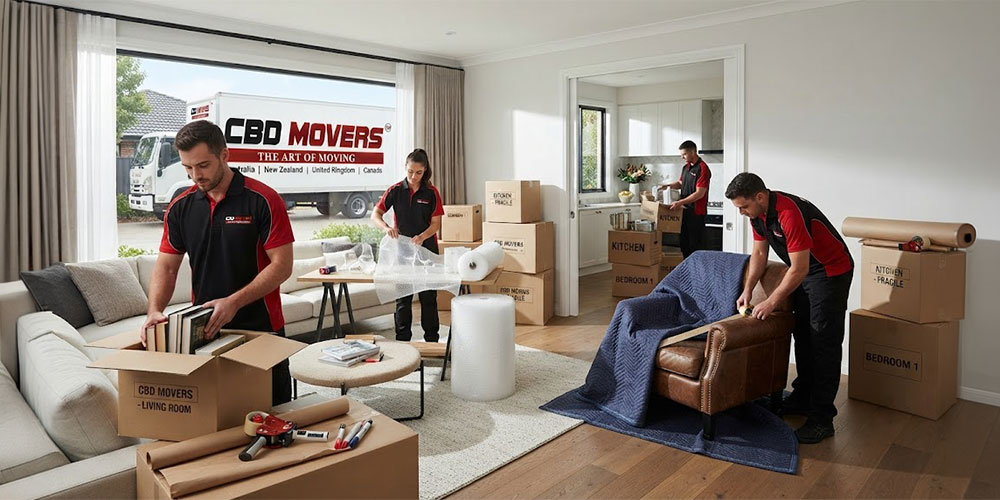
Unlocking the door to your new home brings an undeniable wave of excitement, quickly followed by the daunting sight of a floor covered in cardboard boxes. While packing requires speed and deadlines, unpacking demands strategy. Without a clear plan, household items can sit in half-opened boxes for weeks, creating unnecessary daily friction for your family.
Learning how to unpack after moving systematically transforms an overwhelming chore into an organised, step-by-step process. At CBD Movers, our team helps thousands of Australian families relocate every year. We understand that finding reliable moving house tips and tricks makes settling in significantly easier.
Whether you handled the transport yourself or engaged professional movers and packers, this detailed guide provides practical unpacking tips, room-by-room priorities, and proven moving house hacks to turn your new property into a comfortable sanctuary without the stress.
Phase 1: Immediate Post-Arrival Setup
Before cutting open a single roll of packing tape, establish a calm, organised baseline in your new dwelling. Diving straight into random boxes often leads to misplaced hardware, damaged goods, and clutter spread across every room.
1. Perform a Swift Room Cleaning
Even if the previous occupants completed a thorough bond clean, dust inevitably settles during transit. Take 20 minutes to perform a quick wipe-down before furniture and boxes block access:
- Wipe inside kitchen cupboards, pantry shelves, and bathroom vanities.
- Vacuum or sweep main floor pathways and bedroom spaces.
- Check that power, hot water, and internet services function properly.
2. Match Boxes to Designated Spaces
Avoid stacking all boxes in the hallway or living area. As the removal truck unloads, direct boxes straight into their designated rooms. If you utilise a colour-coded labelling system, match each box to the corresponding room door. Keeping containers in their target destinations immediately cuts visual clutter in main living walkways.
3. Retrieve Your “Day One” Essentials Box
Your open-first box should contain everything required for the first 24 hours. Keep this container with you during travel rather than loading it deep inside the moving truck.
Day One Essentials Checklist
- Essential toiletries, hand soap, toilet paper, & bath towels
- Basic bedding, pillows, and fresh linens for all family members
- Prescription medications, first-aid kit, & basic tools (cutter)
- Kettle, mugs, instant coffee/tea, & non-perishable snacks
- Phone chargers, extension leads, & basic cleaning wipes
Phase 2: Room-by-Room Unpacking Order
When homeowners ask us how to unpack after moving without getting exhausted, we advocate for a strict order of operations based on daily necessity: Bathrooms → Bedrooms → Kitchen → Living Spaces → Storage/Garage.
Step 1: The Bathroom (Immediate Functionality)
Bathrooms require minimal setup time but yield immediate comfort after a long moving day. Setting up personal hygiene spaces allows everyone to refresh before tackling heavy furniture assembly.
- Hang Shower Curtains and Lay Bath Mats: Ensure privacy and keep floor surfaces dry.
- Unpack Essential Toiletries: Place hand soap, toothbrushes, shampoo, and bath towels within easy reach.
- Set Up First Aid and Daily Medication: Store health essentials in a secure medicine cabinet or vanity drawer away from small children.
Step 2: Bedrooms (Rest and Recovery)
A good night’s sleep is essential during a major life transition. Families who prioritise bedroom setup avoid the midnight scramble for missing pillows and sheets.
- Assemble Bed Frames First: Unpack bed hardware, toolkits, and frame components. Secure all bolts before placing mattresses.
- Fit Clean Linens Immediately: Make beds early in the day while your energy levels remain high.
- Unpack Clothing Essentials: Hang workplace attire and daily wear in wardrobes. For specialised regional moving advice, check our localised resource on how to unpack after moving in Craigieburn for additional seasonal insights.
Step 3: The Kitchen (Nourishment and Routine)
The kitchen serves as the engine room of any home. While setting up a kitchen takes time due to fragile glassware and cookware, organising core prep stations establishes an immediate routine.
- Connect Major Appliances: Plug in the refrigerator and allow cold plates to stabilise before stocking food items.
- Unpack Daily Dinnerware: Focus on basic plates, bowls, cups, and cutlery for family meals. Leave specialty glassware and holiday platters in their boxes until main cupboards are structured.
- Establish Coffee and Meal Prep Zones: Keep kettle, toaster, cutting boards, and primary cooking utensils grouped together on benchtop surfaces.
- Organise Pantry Storage: Group dry goods, canned items, and baking ingredients logically on clean shelves.
If you are planning an upcoming relocation or calculating preparation timelines for professional support, read our guide on packing services in Brisbane to explore service structures.
Step 4: Living and Family Rooms (Comfort and Connectivity)
Once functional spaces (beds, baths, and kitchen) operate smoothly, shift focus to shared recreational zones where family members relax.
- Position Large Furniture: Position lounges, entertainment units, bookshelves, and coffee tables before opening smaller accessory boxes.
- Connect Media and Electronics: Refer to photos taken of cable arrangements prior to the move when reconnecting televisions, routers, and sound systems.
- Set Up Play Spaces for Children: Unpack a designated toy box early to keep young children entertained and safe while adults handle heavy lifting.
Step 5: Garage, Shed, and Outbuildings (Long-Term Storage)
The final stage of settling in involves clearing remaining utility containers, outdoor equipment, and seasonal gear.
- Inspect Shelving and Workbenches: Ensure storage racks are securely anchored to wall frames before loading heavy plastic tubs.
- Group Items by Frequency of Use: Place camping gear, holiday decorations, and archive files on higher shelves, keeping lawnmowers, sports equipment, and hand tools accessible.
- Flat-Pack Empty Boxes: Collapse cardboard boxes as you clear them to keep outdoor paths and doorways clear.
Genius Moving House Hacks for Unpacking Efficiency
Implementing clever moving house hacks keeps momentum going when fatigue sets in. Here are expert strategies our CBD Movers team recommends to maintain efficiency:
Unpacking Efficiency Tactics
- The 15-Minute Timer Rule- Work in short, focused sprints to avoid mental burnout.
- One Box, One Location Policy- Fully finish emptying and storing one box before opening another.
- Wardrobe Box Direct Transfer- Move clothes straight from hanging wardrobe boxes into closets.
- Hardware Bag System- Tape bagged assembly screws directly to the main furniture frame.
Strategic Pacing and Time Management
When learning how to move into a new property smoothly, practical moving tips help simplify your transition:
- Master the Moving How To: Understanding moving how to steps helps you prioritise high-use rooms before touching decorative boxes.
- Avoid Overwhelming Choices: When deciding how to move or relocate items into tight storage spaces, clear floor paths first to maintain safety.
- Streamline How to Moving: Mastering how to moving logistics involves focusing on one specific zone per day rather than opening boxes in multiple rooms simultaneously.
- Understand How to Move: Knowing how to move furniture through narrow hallways prevents wall scuffs and protects floor surfaces.
- Set A Daily Box Goal: Commit to unpacking 3 to 5 boxes per day post-work rather than trying to finish the entire house in one sitting.
- Establish Clear Drop Zones: Designate a single room for unopened non-essential boxes so main living areas stay clear.
How Family Demographics Impact Relocation Dynamics
Understanding household size helps set realistic expectations for unpacking timelines. Demographics data from the Australian Bureau of Statistics Census highlights that over 46% of internal moving families include children under 15 years of age.
Moving with dependent children requires extra flexibility, as family routines must resume quickly. Utilising specialised premium services (such as professional valet unpacking assistance) can help busy parents transition smoothly without taking weeks off work.
Household Type | Primary Unpacking Focus | Estimated Settlement Window |
First-Time Movers / Couples | Kitchen setup & living space layout | 3 – 5 Days |
Families with Young Children | Kid bedrooms, safety gates, & kitchen routines | 5 – 10 Days |
Large / Multi-Generational | Shared living areas, multiple bathrooms, & storage | 7 – 14 Days |
Managing Physical Fatigue and Preventing Burnout
Unpacking requires significant physical exertion, lifting, bending, and reaching. Protecting your physical health ensures you finish the job safely.
- Maintain Proper Lifting Form: Bend at the knees rather than the waist when lifting heavy containers from floor level.
- Stay Hydrated and Nourished: Keep water bottles and healthy snacks accessible in the kitchen to sustain energy.
- Take Scheduled Rest Intervals: Pushing through physical exhaustion increases the risk of dropping fragile items or suffering muscle strains. Take a 15-minute break every two hours.
Essential Post-Unpacking House Checklist
Once you empty the last box, finalise your home setup with these crucial administrative and security tasks:
- Update mailing address with Medicare, ATO, banks, & electoral roll
- Locate main water shut-off valve & electrical circuit panel
- Test all smoke alarms & replace batteries if required
- Set up municipal waste & recycling bin collection schedules
- Safely dispose of or recycle empty moving boxes & packaging
- Introduce yourself to immediate neighbours
Settle Into Your New Home with Confidence
Knowing how to unpack after moving transforms what seems like a chaotic mountain of cardboard into a structured, manageable transition. By breaking the process down into clear room priorities, pacing your effort, and keeping daily essentials accessible, your new house will feel like home in no time.
While self-unpacking works for many households, time constraints, physical limitations, or busy work commitments can make professional help an attractive option. At CBD Movers, we provide comprehensive relocation solutions across Australia.
For expert guidance, competitive moving quotes, or professional packing support across Australia, reach out to the experienced team at CBD Movers today.
Frequently Asked Questions
The most effective order is:
- Bathrooms: Set up toiletries, towels, and essentials first.
- Bedrooms: Arrange beds and bedding to ensure comfortable sleep.
- Kitchen: Unpack basic cooking and dining essentials.
- Living areas: Set up furniture and everyday items.
- Storage/Garage: Leave these spaces until the essentials are organised.
Prioritising hygiene, sleep, and basic food preparation ensures essential family needs are met immediately.
For a standard three-bedroom family home, complete unpacking usually takes between 3 and 7 days when managed systematically. Factors such as work commitments, family size, and whether you use professional unpacking services influence this timeline.
Perform a quick surface clean (wiping shelves, vacuuming floors) before placing items in cupboards or assembling beds. Cleaning empty spaces first prevents dust from settling on freshly unpacked household items.
Flatten cardboard boxes as you empty them. You can advertise reusable boxes on community reuse platforms, drop them at local recycling centres, or arrange for removalists to collect packaging materials if included in your service contract.
Keep a dedicated “Donate” box in the garage or spare room while unpacking. If you discover items that do not fit your new home’s layout or lifestyle, place them in the donation box immediately rather than storing unwanted clutter on clean shelves.