 1300 223 668
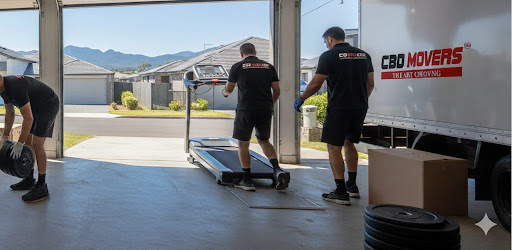
Moving your home gym in Penrith presents unique challenges. Your fitness equipment represents a significant investment, and you want it to arrive safely at your new location. Whether you have a single treadmill or a full gym setup with weights, racks, and cardio machines, this guide shows you exactly how to relocate everything without damage.
Understanding Your Home Gym Equipment
Before you start moving home gym equipment, you need to know what you’re dealing with. Gym equipment falls into several categories, each requiring different moving approaches. Cardio machines like treadmills and ellipticals are heavy and often have electronic components.
Most people underestimate how heavy gym equipment is. A standard treadmill weighs between 60 and 130 kilograms. Commercial-grade equipment is even heavier. This weight makes moving home gym equipment a job that requires proper planning and often professional help.
How to Move a Treadmill Safely
Learning how to move a treadmill is crucial because it’s probably the heaviest single piece in your home gym. Treadmills combine heavy motors with delicate electronic displays. Damage either component or you’re facing expensive repairs.
Preparing Your Treadmill for Moving
Start by unplugging your treadmill at least 24 hours before the move. This lets any residual power drain from the system. Check your owner’s manual for specific moving instructions. Most manufacturers include these details because improper moving voids warranties.
Remove any loose parts. The safety key, water bottle holder, and accessory tray should come off and pack separately. Wrap the power cord around the base and secure it with cable ties. Loose cords can get caught during moving, potentially damaging the cord or tripping someone.
Moving Techniques for Treadmills
Never attempt to move a treadmill alone. You need at least two strong people for small home treadmills and three or more for larger commercial models. According to WorkSafe Victoria guidelines, moving heavy objects requires proper lifting techniques to prevent musculoskeletal injuries.
Move slowly and communicate constantly with your helpers. One person should guide from the front while others push from behind. Take breaks frequently. Rushing leads to accidents and injuries.
Protecting Your Treadmill During Transport
Wrap the treadmill deck and console in moving blankets. Use multiple layers of protection, especially around the electronic display. Secure the blankets with packing tape or moving straps. Don’t let the tape touch the treadmill directly as it can damage finishes.
In the moving truck, position the treadmill against a wall and secure it with straps. Place soft items around it to prevent shifting during transport. Never stack anything on top of a treadmill. The weight could damage the deck or electronic components.
Packing Weights for Moving
Packing weights for moving requires different strategies than other gym equipment. Weights are extremely heavy for their size, making them easy to underestimate.
Sorting and Organising Weights
Start by sorting your weights by type and size. Group dumbbells in pairs, organise weight plates by size, and separate kettlebells by weight. This organisation makes unpacking easier at your new Penrith home.
Safe Packing Methods
Small boxes work best for packing weights for moving. Large boxes seem efficient, but they become impossibly heavy and dangerous to lift. Use small, sturdy boxes that one person can safely carry.
According to Comcare’s lifting guidelines, proper equipment and techniques must be used when moving heavy items. Never lift boxes that are too heavy for you to handle safely.
Weight Plates and Barbells
Weight plates and Barbells should be secured separately. Remove any collars or clips and pack them with other accessories. Wrap the barbell in moving blankets, paying special attention to the ends where the threads are located. These threads damage easily and are expensive to replace.
Gym Equipment Removalists in Penrith
Sometimes the best choice is hiring professionals. Gym equipment removalists Penrith offers have the experience and equipment to handle even the heaviest home gyms safely.
Benefits of Professional Help
Professional movers bring proper equipment. They have furniture dollies, moving straps, and trucks equipped for heavy loads. This equipment makes moving home gym equipment significantly safer and easier.
They also carry insurance. If something goes wrong during the move, you’re covered. This protection provides peace of mind that DIY moves can’t match.
Experienced removalists in Penrith have moved countless home gyms. They know how to disassemble equipment quickly, pack it safely, and reassemble it correctly. This expertise prevents the common mistakes that damage equipment.
What to Look For
Choose removalists with specific experience in moving home gym equipment. Ask about previous gym moves they’ve completed. Request references from other Penrith residents who’ve used their services for similar moves.
Verify they have appropriate insurance coverage. This should include public liability insurance and coverage for your equipment during transport. Get this confirmation in writing before booking.
Check their equipment and vehicle capacity. Your home gym needs proper transport in an appropriate truck. Packing a home gym into a small van leads to damage and safety issues.
Home Gym Equipment Weight and Handling Guide
| Equipment Type | Average Weight | Required Helpers | Special Considerations |
| Treadmill (Home) | 60-100 kg | 3-4 people | Fold if possible, protect console |
| Treadmill (Commercial) | 130-200 kg | 4+ people | Professional help recommended |
| Elliptical | 70-90 kg | 2-3 people | Disassemble pedal arms, awkward shape |
| Exercise Bike | 40-60 kg | 2 people | Remove seat and handlebars |
| Rowing Machine | 25-50 kg | 2 people | Drain water models, protect chain |
| Power Rack | 80-150 kg | 3-4 people | Complete disassembly required |
| Weight Plates (per box) | 20-30 kg | 1-2 people | Use small boxes, label weight |
| Dumbbells (per pair) | 5-50 kg | 1-2 people | Wrap individually, pack in pairs |
Preparing Your New Penrith Location
Don’t wait until moving day to prepare your new gym space. Advance preparation makes setup much smoother.
Check the floor can support your equipment’s weight. Standard residential floors handle most home gyms, but very heavy equipment might require reinforcement. If you’re moving into an apartment, check weight restrictions with building management.
Consider the electrical requirements. Most cardio equipment needs standard power outlets, but ensure you have enough outlets in convenient locations. Extension cords across gym floors create tripping hazards.
Common Mistakes to Avoid
Learning from others’ mistakes saves you trouble and expense. Here are the most common errors people make when moving home gym equipment.
Underestimating equipment weight is the biggest mistake. That treadmill looks manageable until you try to lift it. Always assume equipment is heavier than it appears and plan accordingly.
Skipping disassembly saves time initially but creates problems later. Fully assembled equipment is harder to move, more likely to be damaged, and may not fit through doorways. Take the time to disassemble properly.
Not protecting electronic components leads to expensive repairs. Moisture, impacts, and temperature changes all damage electronics. Wrap displays and control panels with multiple layers of protection.
Maintaining Equipment After Moving
Moving can affect equipment performance. Post-move maintenance ensures everything continues working properly.
Inspect for damage. Even careful moves can cause small problems. Check all connections, belts, cables, and moving parts. Address any issues immediately before they become bigger problems.
Test weight limits and safety features. Ensure safety clips work properly. Verify that weight stacks move smoothly. Test any electronic safety features on cardio equipment.
Cost Considerations
Understanding moving costs helps you budget appropriately for your Penrith gym relocation.
DIY moving costs include equipment rental, packing materials, and helpers’ time. You’ll need a suitable truck or van, furniture dollies, moving straps, and plenty of moving blankets. Factor in potential equipment damage costs too.
Professional movers and packers charge based on equipment quantity, weight, and distance.
Consider the value of your time. Packing and moving a home gym yourself takes several days. Professional movers complete the job in hours. Calculate whether that time is worth the cost difference.
Conclusion
Moving home gym equipment in Penrith requires careful planning and execution. Whether you’re learning how to move a treadmill, mastering packing weights for moving, or deciding whether to hire gym equipment removalists Penrith trusts, success comes from thorough preparation.
For simple moves with minimal equipment, DIY approaches can work well. For larger home gyms or if you’re uncertain about safely handling heavy equipment, professional removalists in Penrith provide expertise and peace of mind.
Start planning your home gym move early. Create detailed inventories, take plenty of photos, and don’t rush the process. Your fitness investment deserves protection, and proper moving techniques ensure your equipment arrives ready to use at your new Penrith location.
Ready to relocate your home gym? Contact experienced professionals who understand the unique challenges of moving home gym equipment, or if tackling it yourself, follow these guidelines carefully for a successful move.
Frequently Asked Questions
To move a treadmill safely, unplug it at least 24 hours in advance, remove detachable parts, and secure the power cord. Wrap the deck and console in moving blankets, use multiple helpers, and keep the treadmill upright and strapped securely during transport.
Some foldable treadmills can be moved without full disassembly, but partial disassembly is usually recommended. Removing consoles, arms, or bases reduces weight and makes it easier to fit through doorways and hallways.
Packing weights for moving should be done using small, sturdy boxes to prevent overloading. Group weights by type, wrap them individually if needed, and clearly label each box with its weight to ensure safe handling.
Home gym equipment varies widely in weight. A standard treadmill typically weighs between 60–130 kg, while power racks and commercial-grade machines can exceed 150 kg. This makes proper equipment and assistance essential during a move.
Hiring gym equipment removalists in Penrith is recommended if you have heavy, high-value, or commercial-grade equipment. Professionals have the right tools, experience, and insurance to move gym equipment safely and efficiently.
Look for removalists with experience moving home gyms, appropriate insurance coverage, specialised moving equipment, and positive local reviews. It’s also important they understand how to disassemble and reassemble fitness equipment correctly.
Use cardboard runners, rubber mats, or moving blankets along walkways to prevent scratches and dents. In your new gym space, install rubber flooring or foam tiles to protect floors from heavy equipment and dropped weights.
Common mistakes include underestimating weight, failing to measure doorways, skipping disassembly, and not protecting electronic components. These errors can lead to injuries, property damage, or costly equipment repairs.