
 1300 223 668
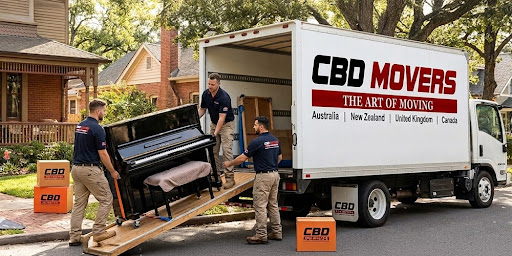
Moving a grand piano or a family heirloom requires more than a truck and muscle. It demands expertise, planning, and the right equipment. In Orange, where heritage homes and valuable antiques are common, piano & antique movers play a vital role in protecting your most treasured possessions during relocation.
This guide explains how professional specialty removals services coordinate the safe transport of heavy and fragile items together. You’ll learn what makes these moves different, how to prepare, and why hiring experts saves your money and stress.
Why Piano & Antique Movers Are Essential
Piano & Antique Movers understand weight distribution, fragile materials, and how to navigate narrow doorways in older homes. They use custom crating, climate-controlled transport, and trained crews who know how to handle delicate surfaces without causing damage.
A standard removal team might scratch a rosewood cabinet or crack a piano soundboard. Specialists prevent this through proper technique and equipment.
Key reasons to hire specialists:
- Custom packing for odd shapes and sizes
- Equipment like piano boards and hydraulic lifts
- Insurance coverage for high-value items
- Experience with antique furniture joints and finishes
- Knowledge of Orange’s older home layouts
Austin Zollo, a recent customer, shared: “The mover’s were polite, hard working, worked quite fast and didn’t complain how heavy things were, it was also 38 degrees and they were fantastic.” ⭐⭐⭐⭐⭐
This level of care is standard when you choose the right specialty item movers.
| Service Type | Average Cost (Orange) | Timeframe |
|---|---|---|
| Upright Piano Move | $350–$550 | 2–3 hours |
| Grand Piano Move | $650–$950 | 3–5 hours |
| Antique Furniture (per item) | $120–$280 | Varies |
| Full Specialty Move | $800–$1,800 | Full day |
What Makes Specialty Removals Different from Standard Moving?
Specialty removals involve items that can’t be moved using regular packing methods. These include pianos, grandfather clocks, marble sculptures, and antique wardrobes.
Standard movers use blankets and straps. Specialists use custom crates, suspension systems, and climate control. They assess each item individually and create a moving plan that protects it from vibration, temperature changes, and impacts.
For example, a 300kg grand piano needs a piano board, stair climber, and at least three trained people. An antique cedar wardrobe might need disassembly, protective wrapping for carved details, and reassembly at the new location.
Differences between standard and specialty moves:
- Assessment: Specialists inspect items before quoting
- Equipment: Custom tools like piano skids and felt pads
- Training: Crews trained in antique handling and restoration
- Insurance: Higher coverage limits for valuable items
- Transport: Climate-controlled vehicles when needed
- Documentation: Photo records and condition reports
If you’re also moving standard household goods, many piano & antique movers can coordinate both services in one trip. This saves time and reduces the risk of scheduling conflicts.
You can find more detailed advice on handling delicate objects at practical tips for packing fragile items.
How to Prepare Your Piano and Antiques for Moving Day?
Preparation reduces risk and helps movers work efficiently. Start at least two weeks before your move date.
Step 1: Document everything
Take photos of each item from multiple angles. Note existing damage like scratches or loose joints. This creates a record for insurance purposes.
Step 2: Clear access paths
Remove rugs, pot plants, and furniture from hallways and doorways. Measure doorframes and staircases to confirm items will fit. Many Orange homes have narrow heritage doorways that require special planning.
Step 3: Communicate special requirements
Tell your movers about temperature-sensitive finishes, loose parts, or items that can’t be tilted. For example, some antique clocks must stay upright, and pianos shouldn’t be moved in extreme heat.
Step 4: Secure loose parts
Lock piano lids, remove clock pendulums, and tape down loose drawer handles. Don’t remove antique hardware unless your mover advises it.
Step 5: Book professional piano movers
Choose a company that offers piano moving services and has experience with antique furniture. Check their insurance coverage and ask about their training process.
If you’re coordinating an end of lease cleaning services as part of your move, ensure it’s scheduled after the heavy items are removed. You can get a move out cleaning quote to coordinate the timing properly.
| Preparation Task | When to Complete | Responsibility |
|---|---|---|
| Photo documentation | 2 weeks before | Customer |
| Access path clearing | 1 week before | Customer |
| Professional booking | 3–4 weeks before | Customer |
| Item assessment | 1 week before | Movers |
| Custom crating | 2–3 days before | Movers |
Coordinating Heavy and Fragile Items in One Move
Moving a piano and antique china cabinet together requires careful sequencing. The heaviest items go in first, secured against the truck walls. Fragile items are loaded last and positioned where they won’t shift.
Professional unique item moving teams use load planning software to map out truck placement. They calculate weight distribution to prevent tipping and create padding zones between items.
Loading sequence for combined moves:
- Anchor heavy items like pianos against the truck front
- Build a protective barrier using furniture pads
- Load mid-weight items like wooden cabinets
- Place fragile items in padded compartments
- Secure everything with ratchet straps and corner braces
- Double-check no items can shift during transport
This method prevents damage during transit. It also makes unloading easier because items come off in reverse order of priority.
If you’re comparing costs, check out this guide on rent a truck Adelaide cost vs hiring movers to understand why DIY isn’t suitable for specialty items.
What Equipment Do Piano & Antique Movers Use?
Non-standard item transport requires specialized tools that protect both the item and your property.
Piano movers use piano boards (flat dollies with straps), piano skids (for stairs), and hydraulic lifts for loading. They also carry felt pads to protect floors and door jamb guards to prevent scratches.
Antique movers use custom crates built to each item’s dimensions, corner protectors for carved details, and acid-free tissue paper for metal fittings. They may also use climate-controlled blankets for temperature-sensitive finishes.
Essential equipment checklist:
- Piano boards and skids
- Hydraulic tail-lift trucks
- Custom foam padding and crates
- Straps with protective sleeves
- Stair climbers and ramps
- Floor protection runners
- Door jamb guards
- Tool kits for disassembly/reassembly
When comparing quotes, ask what equipment is included. Some companies charge extra for specialty tools, while others include everything in the base price.
Data from NSW Fair Trading shows that specialist movers have 60% fewer damage claims than general removalists when handling high-value items. This highlights the importance of proper equipment and training.
How Much Do Piano & Antique Movers Cost in Orange?
Pricing for specialty item movers depends on item size, weight, access difficulty, and distance. Most Orange movers charge hourly rates plus equipment fees.
An upright piano move within Orange costs $350–$550. A grand piano or full antique furniture move costs $800–$1,800. Long-distance moves to Sydney or Canberra add fuel and travel time charges.
Always get a written quote that includes insurance coverage. Cheap quotes often exclude equipment or have limited liability coverage.
Cost factors to consider:
- Item weight and dimensions
- Number of stairs or levels
- Distance between properties
- Equipment requirements (cranes, custom crates)
- Insurance value of items
- Timing (weekends cost more)
For full pricing details and to compare services, visit CBD Movers removalist services.
Ready to Move Your Valuables Safely?
Moving pianos and antiques doesn’t have to be stressful. With the right piano & antique movers in Orange, your treasured items arrive safely at your new home.
Professional specialty item movers provide the expertise, equipment, and insurance coverage needed for high-value relocations. They understand Orange’s unique challenges and know how to protect your possessions through every step of the move.
Don’t risk your family heirlooms with inexperienced movers. Get a quote from specialists who understand unique item moving and non-standard item transport.
Contact CBD Movers today for a no-obligation quote on your Orange specialty removal. Protect what matters most with movers who care as much as you do.
Frequently Asked Questions
Book at least 3–4 weeks ahead, especially during peak season (October–March). Specialists have smaller crews than general removalists and fill up quickly. Last-minute bookings may cost 20–30% more.
Yes. Standard removalist insurance covers up to $100 per item. Specialty moves need declared value coverage. Ask your mover about transit insurance that covers full replacement value.
Yes. Many Orange-based specialty removals companies service Sydney, Canberra, and Melbourne. Interstate moves require booking freight schedules and may take 2–5 days depending on distance.
Yes, when space allows. Professional movers use load planning to safely combine items. Heavy pianos are secured first, with antiques placed in padded zones away from shifting weight.
Document damage immediately with photos. Contact your mover within 24 hours to file a claim. Most specialist companies have claims processes and work with restoration experts to repair damage.