 1300 223 668
The Gold Coast has become one of Australia’s most sought-after relocation destinations, drawing families, professionals, and retirees with its combination of coastline, climate, and improving infrastructure. If you are moving to the Gold Coast, the first few weeks after arrival are where the experience is shaped by how quickly you can access services, set up your home, and start building a routine in a new city.
This guide covers the practical side of settling in: which suburbs may suit your lifestyle, how utilities and connectivity work in Queensland, what transport looks like day to day, and the most common mistakes new residents make during the first month. Whether you are arriving from interstate or relocating within Queensland, this checklist is designed to help you settle faster and with fewer surprises.
Choosing The Right Suburb: What To Consider Before You Commit
The Gold Coast stretches approximately 57 kilometres from South Stradbroke Island to Coolangatta on the New South Wales border, which means suburb choice significantly shapes daily life. Cost of living, commute time, school access, and lifestyle preferences all vary considerably depending on where you land.
Rather than recommending a single “best” suburb, the table below outlines some common options across different lifestyle profiles, with indicative cost and amenity notes. These are general observations and individual circumstances will vary.
| Suburb | May Suit | Indicative Cost Level | General Notes |
| Surfers Paradise | Couples, young professionals | High | Walkable, entertainment-rich, light rail access |
| Burleigh Heads | Families, lifestyle seekers | Mid to High | Beachside village feel, strong community, cafes |
| Robina | Families, commuters | Mid | Schools, shopping, hospital, train station nearby |
| Southport | First-home buyers, renters | Mid | CBD proximity, health precinct, improving infrastructure |
| Mudgeeraba / Currumbin | Families, tree-changers | Lower to Mid | Quieter, hinterland access, growing amenity base |
Before committing to a suburb, consider testing the commute route during peak hours, checking school zone boundaries via the Queensland Government school zone finder, and visiting on a weekend to get a feel for the local community.
Setting Up Utilities In Queensland: What New Residents Typically Need To Know
Queensland’s utility market has some differences from other states that are worth understanding before you arrive. Electricity retail is competitive, which means you have a choice of providers, and comparing plans before you connect may result in more suitable pricing for your household.
Electricity And Gas
- Queensland uses a competitive retail electricity market. You can compare plans via the Queensland Government’s Energy Made Easy tool or contact providers directly.
- Many Gold Coast properties are all-electric. If you are looking at an older home, confirm whether gas is connected before assuming it is available.
- Book electricity connection at least 3 to 5 business days before your move-in date where possible, as connection timelines may vary depending on your provider and circumstances.
- Take a meter reading and photograph it on the day you move in. This may be useful if any billing discrepancies arise later.
Water And Council Services
- Water in the Gold Coast area is managed by City of Gold Coast and is typically billed to owners rather than tenants directly. Confirm billing arrangements with your property manager or agent before arrival.
- Locate your bin collection schedule via the City of Gold Coast website as collection days vary by suburb and waste type.
- Council rates and any applicable stormwater levies will be billed to property owners. If you are buying, confirm what is outstanding at settlement.
Internet And NBN
NBN connection types vary across the Gold Coast, with some areas having access to faster FTTP connections while others may be on older technology types. Check your address on the NBN Co website before signing up with any provider to understand your connection type and realistic speed options. Order at least 7 to 10 business days before move-in where possible, as technician appointments may have lead times depending on your area.
Transport And Getting Around The Gold Coast
The Gold Coast has a growing public transport network anchored by the G:link light rail, which currently runs from Helensvale in the north to Broadbeach South, with extensions planned. For residents who rely on public transport, proximity to light rail or train stations may be a relevant consideration when choosing a suburb.
Public Transport Options
- G:link light rail connects key Gold Coast zones and links to the heavy rail network at Helensvale for connections towards Brisbane.
- Translink buses serve most suburban areas and operate under the integrated fare system, which means you can use a single go card across modes.
- Heavy rail from Varsity Lakes and Robina provides connections to Brisbane, typically taking around one hour depending on the service.
- TransLink Journey Planner is a useful tool for mapping routes before you arrive. Check translink.com.au for current timetables, fares, and any planned service changes relevant to your area.
Driving And Parking
- If you hold a licence from another Australian state, you will typically need to transfer to a Queensland licence within three months of becoming a Queensland resident. Check the Queensland Department of Transport and Main Roads website for current requirements and timeframes.
- Vehicle registration will also need to be transferred to Queensland. Confirm current requirements and any applicable inspection needs with Queensland Transport and Main Roads before your deadline.
- Parking conditions vary significantly between the northern end of the Gold Coast (more constrained) and outer suburbs (generally more available). Factor this into suburb selection if you drive regularly.
Healthcare, Schools And Community Services
Healthcare Access
The Gold Coast University Hospital is the primary public hospital servicing the region, with additional private hospitals and medical centres distributed across the corridor. The AIHW notes that GP availability varies by location, and the Gold Coast is no different. Registering with a local GP as soon as you arrive, rather than waiting until you need an appointment, may reduce delays when health needs arise.
- Ask clinics directly about bulk billing eligibility, as this varies by clinic, patient type, and appointment category.
- Locate your nearest after-hours medical centre and pharmacies and save the details in your phone during your first week.
- The Nurse-on-Call service (1300 60 60 24) provides 24-hour telephone health advice and may be a useful resource during the settling-in period.
Schools And Childcare
- Queensland government schools operate on a catchment zone system. Verify your catchment using the Queensland Government school zone checker with the exact address of your intended property, not just the suburb name.
- Independent and Catholic schools typically have their own enrolment processes and may have waiting lists, particularly for popular schools in coastal suburbs.
- Childcare waitlists in the Gold Coast can be significant, particularly in growth areas. Contacting providers as soon as your move date is confirmed is advisable.
Community Connections
- Gold Coast City Libraries offer free programs, community events, and Wi-Fi access across multiple branches. Visiting a local branch in your first week is a practical way to discover local services and community groups.
- The City of Gold Coast runs neighbourhood programs and community events that may support new residents in connecting with local networks.
- Sports clubs, beach volleyball groups, surf lifesaving clubs, and parkrun events are among the community touchpoints that tend to generate repeat connections fairly quickly in coastal communities.
Indicative Moving Costs: What To Plan For
Moving costs in the Gold Coast context depend on a range of variables including distance, volume, access conditions, service level, and timing. The figures below are indicative only and are provided for planning reference. Actual costs will vary depending on individual circumstances and should be confirmed through a written, itemised quote.
- Local move within the Gold Coast (estimated): may typically range from approximately $600 to $1,800 depending on home size, access, and service inclusions.
- Interstate move to the Gold Coast (estimated): may typically range from approximately $2,500 to $8,000 or more depending on origin, volume, access conditions, and service level.
- End-of-lease cleaning (estimated): may typically range from approximately $300 to $800 depending on property size and condition.
Final pricing depends on access conditions including stairs and narrow driveways, volume accuracy, distance, timing, and any specialist handling requirements. Transit insurance options are available and customers should review coverage details before confirming their move. Our services come with guarantees that cannot be excluded under the Australian Consumer Law.
To get a quote suited to your specific requirements, contact our house removalists team with your access details, inventory, and preferred dates.
Common Mistakes New Gold Coast Residents Make (And How To Approach Them)
- Not verifying school catchment zones before signing a lease: the catchment boundary may not align with the suburb boundary. Always confirm using the exact street address before committing to a property.
- Underestimating internet lead times: NBN connections may require a technician appointment, which can take up to 10 business days or more in some areas. Ordering before your move date is advisable.
- Assuming bulk billing availability: not all Gold Coast GP clinics bulk bill all patient types. Confirm before your first appointment to avoid unexpected out-of-pocket costs.
- Leaving utility connections too late: same-day electricity connections are not always possible. Arranging connections 3 to 5 business days in advance may reduce the risk of arriving without power.
- Not completing a thorough entry condition report: for rental properties, a detailed entry condition report with date-stamped photos is important protection at the end of the tenancy. Complete this before you fully unpack.
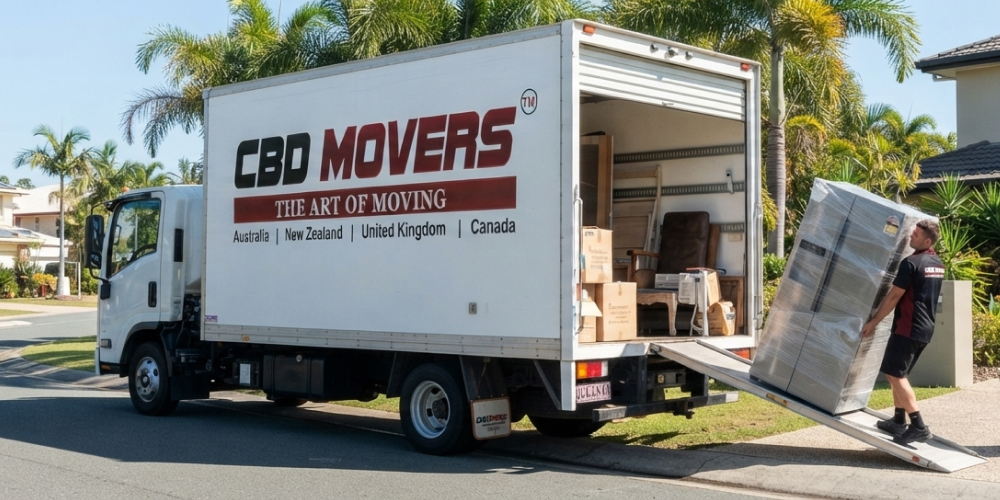
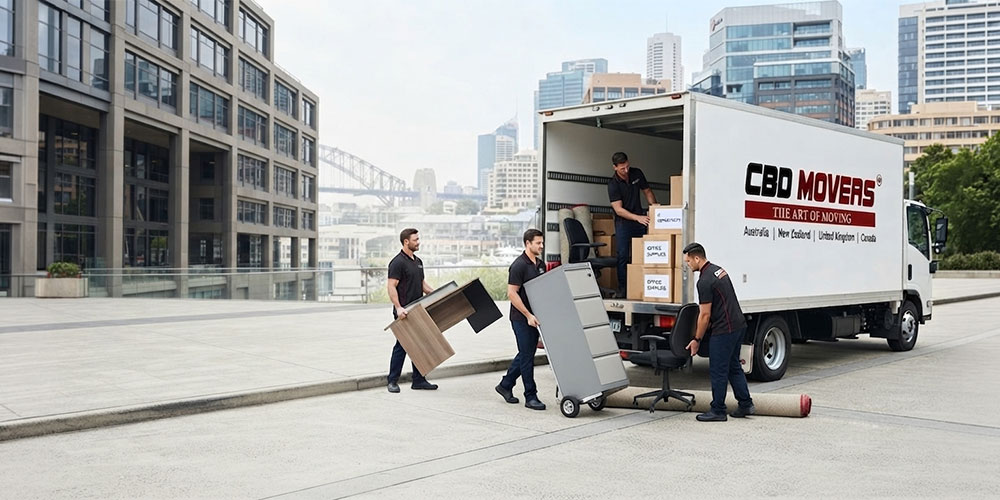
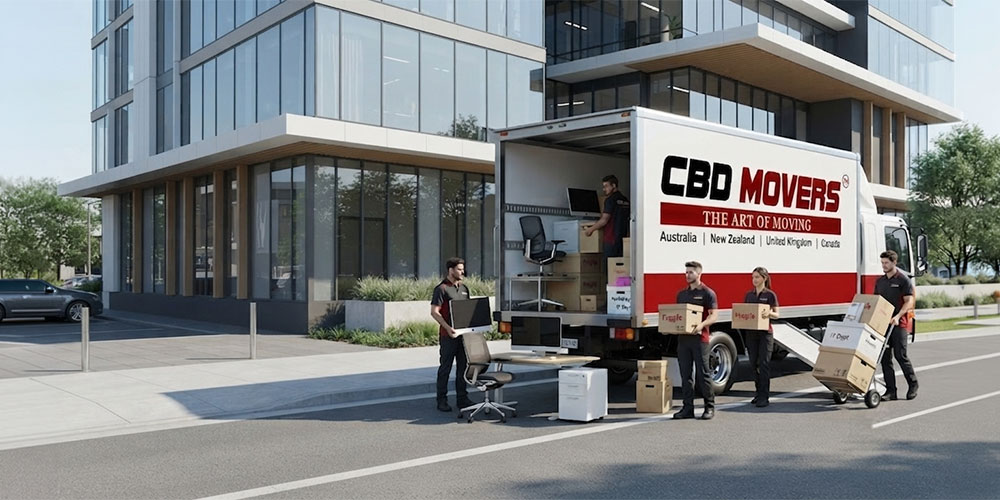
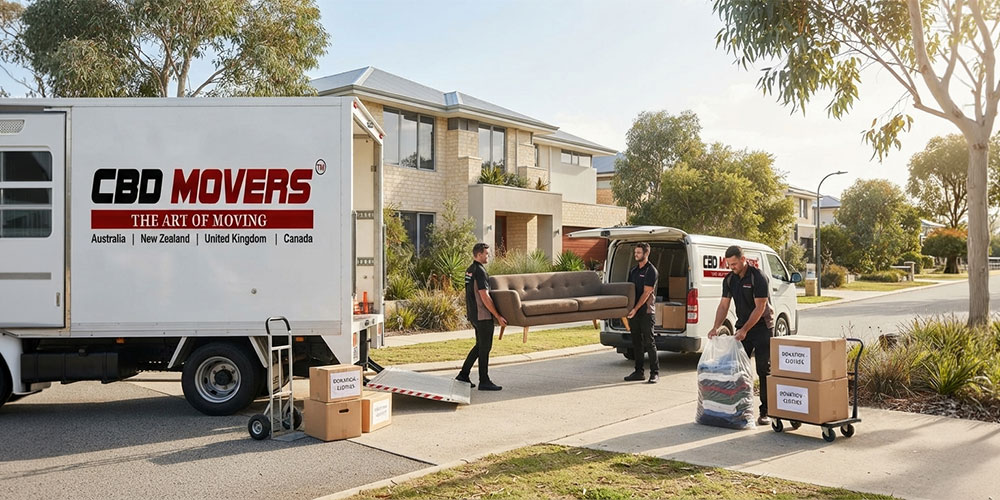
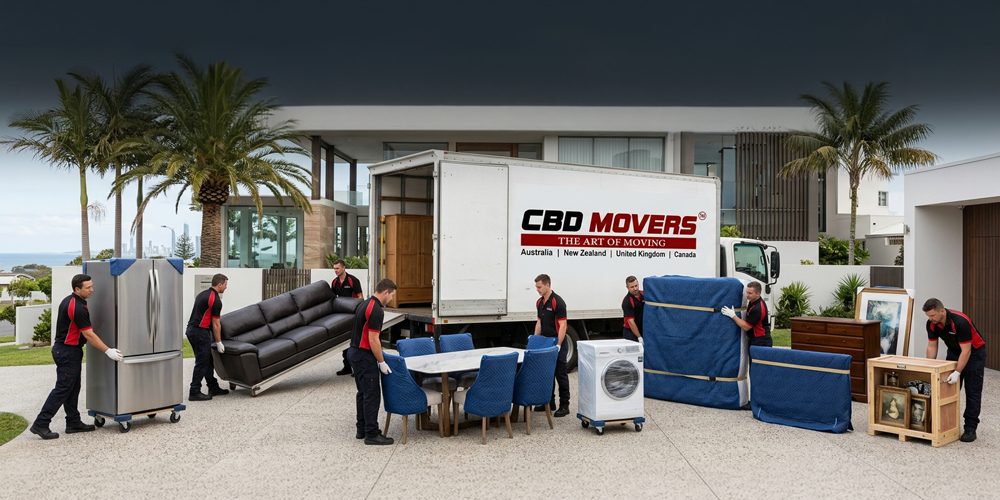
- Moving furniture without professional support: the Gold Coast has a mix of older homes, newer apartments, and buildings with varying lift and loading bay access. Our furniture removals team is experienced in navigating these conditions and can help reduce the risk of damage during the move.
A Practical First-Week Checklist For The Gold Coast
- Confirm electricity, water, and internet are active or have a confirmed activation date before move-in.
- Complete the entry condition report with date-stamped photographs before unpacking.
- Register with a local GP before you need an appointment.
- Set up Australia Post mail redirection for a minimum of three months.
- Update your driver licence and vehicle registration with your Queensland address if transferring from another state.
- Confirm school catchment and enrolment requirements if applicable.
- Locate your nearest after-hours medical centre, pharmacy, and hospital.
- Visit your local library branch to access community event listings and available programs.
- Find your bin collection day via the City of Gold Coast website.
- Set up a local bank branch or ATM as a reference point for day-to-day banking needs.
Conclusion: Starting Well Makes A Difference
Moving to the Gold Coast is a significant transition, and the first few weeks tend to shape how quickly the city feels like home. Working through the practical steps – suburb selection, utility connections, school enrolment, healthcare registration, and community discovery in a structured order can reduce the stress of the settling-in period considerably.
If you are planning a move to the Gold Coast and would like support with the logistics, CBD Movers aims to deliver a smooth and efficient moving experience with trained teams and appropriate equipment. Services are subject to availability and operational conditions.
Contact us to discuss your requirements, confirm access details, and receive an indicative, itemised quote for your Gold Coast move.
Frequently Asked Questions
Most people find the practical side of settling in, including utilities, healthcare, and school enrolment, may take two to four weeks to fully resolve depending on individual circumstances and how early key steps are arranged. Building community connections typically takes longer and is shaped more by routine than by any single action.
The Gold Coast has generally been considered more affordable than Sydney across many housing and rental metrics, though market conditions vary by suburb and property type and can change over time. It is recommended to research current market conditions and seek independent advice relevant to your specific situation before making housing decisions.
If you are establishing Queensland residency from another Australian state, you will typically be required to transfer your licence within three months. Requirements and current processing timelines should be confirmed directly with the Queensland Department of Transport and Main Roads, as these may change.
Internet speeds on the Gold Coast vary depending on the NBN technology type available at your specific address. FTTP areas may support higher speed tiers while older technology types may have lower maximum speeds. Checking your address on the NBN Co website before selecting a plan is recommended.
Searching via the HealthDirect service directory or contacting clinics directly are two approaches. It is worth asking about new patient availability, bulk billing eligibility, and whether the clinic offers telehealth appointments, which may be useful during the settling-in period.