 1300 223 668
Moving your family to a new home is a very big step. It takes a lot of time, energy, and clear planning to get everything ready. If you want your move to go well, using the right moving tips in Melbourne can help you plan each step with care. This guide shares useful ideas built from real moving experience across different suburbs. We aim to help you understand the moving process from packing your items to setting up your new home.
This guide is designed to support families through the entire moving journey. It covers how to pack your rooms, how to handle local traffic, and what to look out for on the road. By learning these tips early, you can aim to make the process smooth and efficient for your whole household.
Expanding Your Horizons: A Focus on Interstate Moves
While moving within the local area takes a lot of work, shifting your life to a completely new state is a much bigger task. A primary focus of our service is helping families with these large interstate moves across Australia. Moving long distances requires a very clear plan and a lot of care. A trip from Melbourne to Sydney covers over 850 kilometers, while a move to Brisbane stretches past 1,600 kilometers.
These long trips mean your household items will spend many hours on the highway. Because of this, long-distance moves need special care when loading the truck. Our services are focused on providing dedicated interstate transport to support you. We look at all the details, from border rules to long road trips, to help you feel ready. Whether you are moving across state lines or staying local, these moving tips in Melbourne are built to give you the best start.
Why Families Need Local Moving Tips in Melbourne
Every city is different, and Melbourne has its own unique features that can affect your moving day. Local experts know that generic advice does not always work here. You have to think about the changing weather, the layout of the streets, and the type of home you have.
Here are a few reasons why local knowledge is so important:
- Changing Weather: Melbourne is famous for having “four seasons in one day.” You might start loading the truck in bright sunshine and finish in heavy rain.
- Narrow Streets: Many older suburbs have very tight laneways and small streets. This can make it hard for large trucks to park safely.
- Strict Parking Rules: Local councils often have strict laws about where and when you can park a large vehicle.
- Home Layouts: Older homes in the area often feature narrow hallways, low doors, or steep stairs that make moving heavy items harder.
Common Melbourne Moving Challenges
Understanding what could go wrong helps you plan how to fix it. Here is a simple table that shows common issues and how to handle them:
| Challenge | Why It Matters | Local Detail |
| Parking Rules | You need a safe spot for the truck near your front door. | Check with your local council a week early to ask about permits. |
| Sudden Rain | Wet weather can damage your cardboard boxes and items. | Keep protective covers or plastic sheets ready all year round. |
| Tight Lanes | Large trucks might get stuck or block the road for neighbors. | Tell your moving team about narrow streets before moving day. |
| School Dates | Moving during school terms can cause extra stress for kids. | Try to plan your move during the school breaks if you can. |
Smart Packing: Useful Moving Tips in Melbourne Suburbs
Packing up a whole house takes a lot of work. If you start early and work step by step, you can keep the job simple. The best moving tips in Melbourne focus on being organized before the truck even arrives.
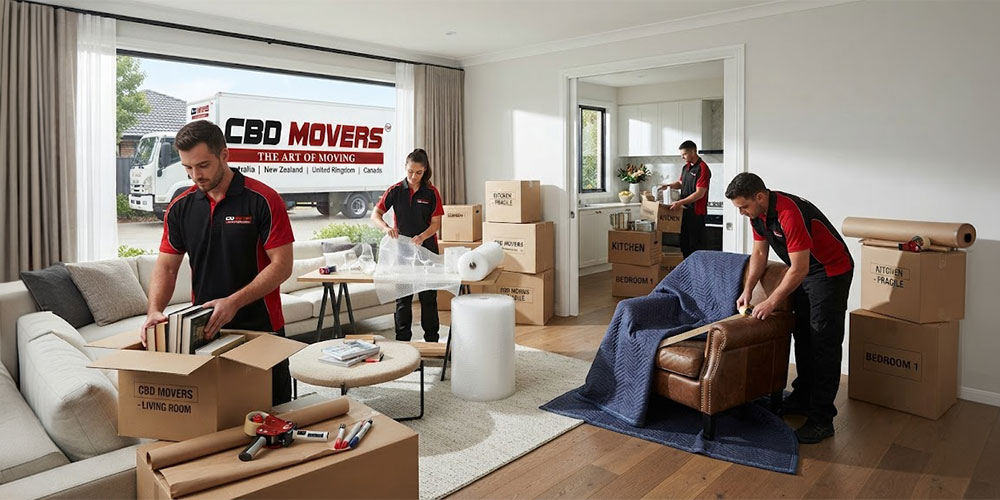
Pack Room by Room
Do not try to pack bits of the house all at once. Start with one room and finish it before you move to the next. This helps you stay organized and makes unpacking much easier. Most families find that starting with the spare room or the garage two weeks early works best.
Label Every Box Clearly
Use a thick marker pen to write on the top and sides of every box. Write down the name of the room where the box needs to go, like “Kitchen” or “Main Bedroom.” It is also smart to write a short list of what is inside the box so you can find items fast.
Keep Heavy Items in Small Boxes
Putting too many heavy items into a large box makes it very hard to lift. It can also cause the bottom of the box to break. Keep heavy things like books, tools, and thick pots in smaller boxes. Save the larger boxes for light items like pillows, blankets, and clothes.
Shifting Focus: Using Protective Blankets Instead of Boxes
When people think about moving, they often think about buying lots of cardboard boxes and bubble wrap. However, protecting your largest items takes a different approach. For big furniture like beds, tables, and couches, the most useful moving tips in Melbourne focus on using heavy-duty protective moving blankets.
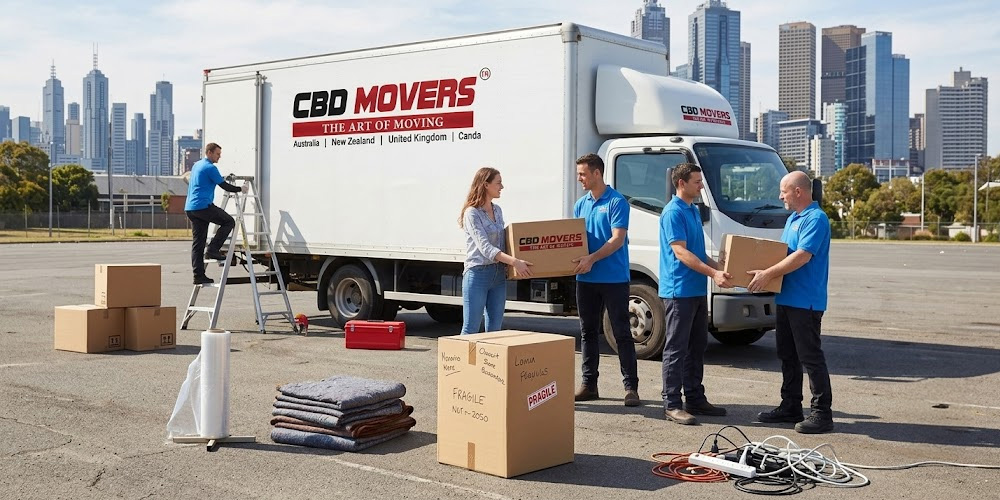
These thick fabric blankets are wrapped tightly around your furniture before it goes onto the truck. They are held in place with strong straps to keep the items from shifting while the truck is driving on the highway. Using these blankets helps ensure the safe handling of items. They absorb the bumps on the road and stop your wooden or leather furniture from rubbing together during the trip.
A Simple Packing Timeline for Families
Having a timeline helps you track your progress. Here is a simple plan you can follow in the weeks leading up to your moving day:
- Two Weeks Before: Start packing the rooms you do not use every day. This includes the guest bedroom, the garage, and seasonal clothes.
- One Week Before: Start packing the main living areas and most of the kitchen. Leave out only the plates, cups, and tools you need for daily meals.
- Two Days Before: Finish packing almost every room. Make sure all boxes are taped shut and labeled clearly.
- The Day Before: Defrost your fridge and wipe it down. Disconnect your washing machine so it is ready to move.
- Moving Day: Keep your personal bags separate so they do not get loaded onto the truck by mistake.
The Master Moving Checklist
A solid checklist keeps you from forgetting the small details. Run through these points to help your moving day run efficiently:
- Check with Council: Call your local council to see if you need a temporary parking permit for the moving truck.
- Measure Your Space: Measure large items like your fridge, couch, and wardrobes. Then measure your doors and hallways to make sure they will fit through.
- Sort Your Papers: Put your personal documents, house leases, IDs, and school papers into one secure folder. Keep this folder with you in your car.
- Take Photos: Take clear photos of your valuable items and electronic setups before you disconnect them. This gives you a record for your own files.
- Pack an Essentials Box: Put together a “first night” box for the family. Include items like soap, toilet paper, phone chargers, snacks, and a change of clothes.
Relocating a Home Office
Many homeowners now work from home and have a full office setup. While moving teams can wrap your office desks and chairs in protective blankets, you must handle the technical parts yourself.
Disclaimer (Office Moves):
We do not undertake any IT-related dismantling or disconnection work, including computers, servers, network systems, or wiring. All such items must be properly disconnected and prepared prior to the scheduled move. Only furniture and pre-prepared items will be handled as part of the relocation service.
Moving Day Hacks: Navigating the City
Moving day requires good timing, especially if you want to avoid heavy traffic on major roads like the Monash Freeway or CityLink. These practical moving tips in Melbourne come from real time spent on the local roads.
Beat the Traffic Rush
Traffic can slow down very fast during peak hours. If you can, aim to schedule the truck to arrive mid-morning. This lets the truck travel after the early school rush and work traffic have cleared. It is also smart to avoid moving on the very last weekend of the month, as this is often the busiest time for transport services.
Protect Your Floors and Walls
Older houses often have beautiful polished timber floors or heritage plaster walls that can mark easily. To protect them, use furniture sliders under heavy items when moving them across the room. You can also lay down thick moving blankets along the main hallways to protect the floors from dirt and scratches while people are walking in and out.
Keep Kids and Pets Safe
Moving day involves a lot of open doors and heavy lifting. This can be dangerous for young children and pets.
- Ask a family member or friend to watch your kids for the morning.
- Keep your pets in a quiet, closed room with plenty of water and their favorite toys until it is time to leave.
- Pack a dedicated bag with snacks and drinks to keep everyone fed and happy during the day.
Settling In: What to Do After the Move
Once the truck is unloaded, the work is not quite finished. Settling into your new suburb takes a little bit of time and effort.
Focus on the Kitchen First
The kitchen is often the most used room in the house. Unpack your fridge, kettle, and main cooking tools first. Being able to make a warm drink or a quick meal will help the whole family feel more at home right away.
Set Up the Kids’ Rooms Early
Children adjust to a new home much faster when their own space feels familiar. Try to set up their beds and unpack their favorite toys on the very first night. This gives them a safe and quiet place to relax while you unpack the rest of the house.
Learn Your New Council Rules
Garbage collection days and recycling rules change from suburb to suburb. Check your new local council website to see which bins go out on which days. It is also a good idea to locate your nearest medical clinic, grocery store, and park during your first week.
Understanding Transit Options
When you are moving your items over long distances, managing your risks is always a good idea. Please note that transit insurance options are available; customers should review coverage details on their own to find a policy that suits their needs. Professional teams focus on providing safe transit by loading the truck with care and using protective blankets, but having the right information helps you make the best choices for your family’s belongings.
Ready to Plan Your Next Move?
Moving your home is a major transition, but having a clear plan can help things run smoothly. By using these expert moving tips in Melbourne, you can prepare your household step by step. From checking your local parking rules to wrapping your furniture in protective blankets, being ready makes a big difference.
Contact us today and book your stress-free Melbourne move.
Frequently Asked Questions
Milder seasons like spring and early autumn are often preferred. The weather is usually more comfortable for heavy lifting, and moving companies may have more flexible date options compared to the busy summer months.
All quotes are given as an estimated cost (indicative only). The final pricing depends on factors like property access, the volume of your goods, the distance of the trip, the time needed, and the overall complexity of the move.
In many inner-city suburbs and narrow streets, yes. It is best to call your local council at least one week before your moving day to ask about temporary parking permits for large vehicles.
Yes. A primary focus of our work is providing interstate moving services across Australia. If you are moving from Victoria to another state, we offer dedicated transport options designed to support long-distance family moves.
Our teams are focused on providing safe transit through the extensive use of protective moving blankets. These blankets are wrapped around your large items to guard them against rubbing or shifting during the drive.
No. We do not offer standalone specialist services for items like grand pianos or pool tables. We can transport these items if they are part of a complete household family move, but we do not handle them as separate jobs.