 1300 223 668

Moving your family to a new home is a very big job. It can feel like there is too much to do at once. You have to pack your clothes, sort your furniture, and get the kids ready for a new space. Having the right moving checklist in Ballarat aims to help you manage these tasks step by step.
This guide gives families a clear, simple plan to follow. It is built from real time spent working in local homes and driving on local streets. We will look at how to plan your time, how to clear out old items, and what to typically expect when the moving team arrives. By taking small steps early, you can aim to make your family move much easier to handle.
Expanding Horizons: A Focus on Interstate Moves
Moving to a new home in the same town takes a lot of work. However, moving your family to a completely new state is a much bigger task. A primary focus of our service is helping families with large interstate moves across Australia. Moving long distances requires a very clear plan and a lot of care. A trip from regional Victoria to New South Wales covers hundreds of kilometers. A move to Queensland is even longer.
These long highway trips mean your household items will spend many days on the road. Because of this, long-distance moves need special care when loading the truck. Our services focus on giving you dedicated interstate transport to support your family. We look at all the details, from long road trips to crossing state borders, to help you feel ready. Whether you are moving across state lines or staying local, a good moving checklist in Ballarat is the best place to start your planning.
Why Families Need a Local Moving Checklist in Ballarat
Every town is different. Ballarat has its own unique features that can change how you plan your moving day. Local experts know that generic advice does not always work here. You have to think about the changing weather, the layout of the streets, and the type of home you live in.
Here are a few reasons why local knowledge is so important for your move:
- Cold Winters: Ballarat is famous for having very cold and wet winters. You might start loading the truck in the freezing cold and need to deal with rain.
- Heritage Homes: Many older suburbs like Ballarat East have beautiful Victorian homes. These often feature narrow hallways, low doors, and steep stairs. This makes moving heavy items much harder for the team.
- New Estates: Newer areas like Lucas have wide streets, but they get very busy during morning school drops.
- Strict Parking: Some older streets are very narrow. You have to think about where a large moving truck can safely park.
Common Ballarat Family Moving Challenges
Understanding what could go wrong helps you plan how to fix it. Here is a simple table that shows common local issues and how to handle them early:
| Challenge | Why It Matters | Local Detail |
| Heritage Access | Narrow halls make it hard to carry big items safely. | Measure your doors before you try to move large furniture. |
| Winter Weather | Cold, wet days can make loading slow and messy. | Have tarps ready and keep your floors covered with mats. |
| School Traffic | Moving near a school at 3:00 PM is very hard. | Plan your truck arrival for the mid-morning to avoid the rush. |
| Narrow Streets | A big truck needs a safe and legal place to park. | Check your street width and ask the council about parking rules. |
The Four-Week Moving Checklist in Ballarat
A four-week plan gives your family enough time to prepare without feeling rushed. Start early and work through each week with clear goals. This breaks a huge job into very small, simple steps.
Week Four: Planning and Booking Early
The first week is all about setting up the basics of your move.
- Book Your Team: Reach out to your transport team early. Available dates fill up fast, especially during school holidays.
- Ask for Estimates: When you ask for a price, treat it as an estimated cost (indicative only). Final pricing depends on your property access, volume of goods, and the distance.
- Pick a Good Date: Try to set a moving date that works around your work schedule.
- Measure Your Space: Walk through your new home and measure the rooms. Make sure your current couches and beds will fit in the new space.
Week Three: Sorting and Clearing Out
Week three is the time to decide what comes with you and what to leave behind.
- Sort by Room: Do not try to sort the whole house in one day. Start with the garage or a spare room.
- Use Three Boxes: Make a box to keep, a box to donate, and a box to throw away.
- Donate Old Items: Contact local charities to give away old clothes or toys.
- Involve the Kids: Ask your children to help sort their old toys. This helps them feel included in the big move.
Week Two: Smart Packing Steps
Packing takes the most time. A good moving checklist in Ballarat includes smart packing habits.
- Small Boxes for Heavy Items: Put heavy things like books and tools in small boxes. Large boxes full of heavy items can break open and are very hard to lift.
- Pack the Kitchen Last: Keep your daily plates and cups out until the very end.
- Label Everything: Use a thick black marker. Write the name of the room on the top and sides of every box.
- Keep Parts Together: If you take apart a table, put the screws in a small plastic bag. Tape the bag under the table so you do not lose the parts.
Week One: Final Checks and Services
The last week is for finishing touches and updating your paperwork.
- Update Your Address: Tell your bank, Medicare, and the local council that you are moving.
- Turn Off Services: Call your power and water companies. Plan to have them turned off at your old house and turned on at your new house.
- Pack an Essentials Bag: Pack a small bag for the family. Include items like soap, toilet paper, daily medicines, and a change of clothes.
Shifting Focus: Using Protective Blankets for Large Items
When people think about moving, they often think about buying a lot of cardboard boxes, tape, and plastic bubble wrap. However, protecting your largest and most costly items takes a different approach. For big furniture like beds, dining tables, and couches, our teams focus on using heavy-duty protective moving blankets.
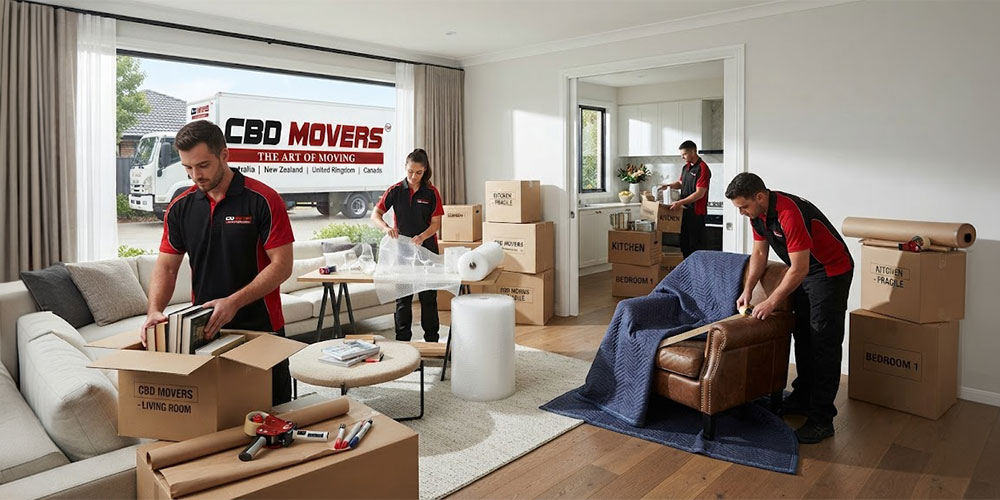
These thick fabric blankets are very important for a safe move. They are wrapped tightly around your large items before the items go onto the truck. Strong straps hold the blankets in place to keep the items from shifting while the truck is driving. Using these blankets helps ensure the safe handling of your goods. They absorb the bumps on the highway and aim to stop your wooden or leather furniture from rubbing together during a long trip.
Relocating a Family Home Office
Many parents now work from home. If you have a full home office setup, you need to pack it carefully. While moving teams can wrap your office desks, filing cabinets, and chairs safely in protective moving blankets, you must handle the technical parts yourself.
Disclaimer (Office Moves): We do not undertake any IT-related dismantling or disconnection work, including computers, servers, network systems, or wiring. All such items must be properly disconnected and prepared prior to the scheduled move. Only furniture and pre-prepared items will be handled as part of the relocation service.
Moving Day: What to Typically Expect
Moving day involves a lot of lifting, walking, and open doors. Knowing what the plan is helps you stay out of the way and keep your family safe.
Estimated Timeline for a Typical Loading Day
A structured moving day follows a clear plan. Timelines are indicative only, but a typical loading day in Ballarat might look like this:
- 7:30 am to 8:00 am: The team arrives at your home. They look at your items and check the pathways for safety. They will check if the driveway is wet or slippery.
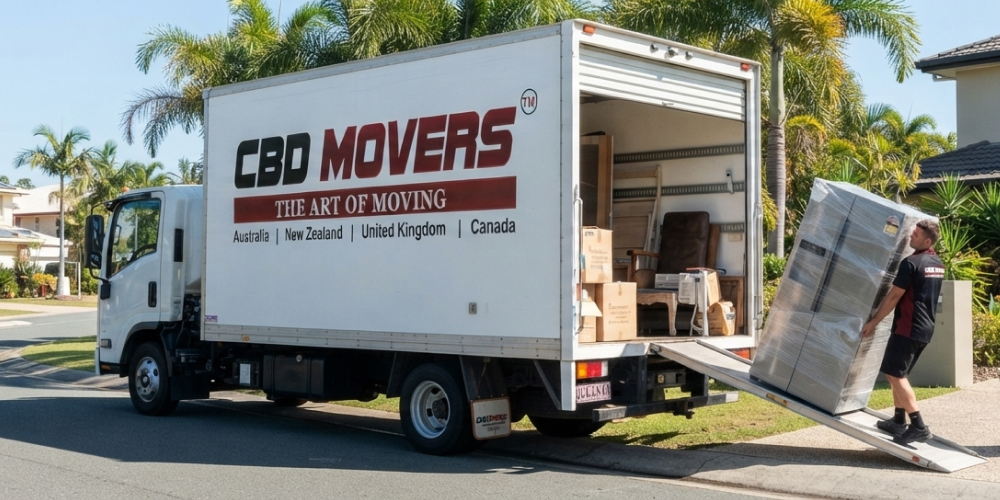
- 8:30 am: Loading begins. Heavy items go into the truck first to build a safe base. These items are wrapped tight in moving blankets.
- Midday: Most of the heavy loading is usually complete.
- Early Afternoon: The truck departs. If you are moving interstate, the driver will start the long highway trip out of Victoria. They must follow strict safety rules for resting on the road.
(Please note: Delivery timelines will be discussed with you directly. An interstate drive may take approximately a few days depending on the final state and road conditions).
Managing Children and Pets on Moving Day
Moving day can feel very chaotic for young children and family pets. Their daily routine is broken, and their favorite items are packed away in boxes.
- Plan a Quiet Space: Ask a family member or friend to watch your kids for the morning if possible.
- Keep Pets Secure: Keep your dogs or cats in a quiet, closed room with water and their favorite toys. Do not let them run near the open doors while heavy items are moving.
- Explain the Plan: Tell your kids what is happening in simple words. Remind them that their toys are safe and are going on a trip to the new house.
- Snacks and Drinks: Keep a separate bag with fresh snacks and water bottles in your car. A hungry child can make a stressful day much harder.
The Family Road Trip
If you are moving out of Victoria to a new state, your family will also need to travel. Driving across the country with kids requires a good plan. Plan your driving route ahead of time. Book your motels early so you have a safe and quiet place to sleep on the road.
Plan to stop every two hours to stretch your legs. Keep plenty of water and healthy snacks in the car. Check the weather forecast before you leave. Having a clear travel plan aims to make the family road trip much smoother while the truck drives your household goods.
Settling In: The First Few Weeks
When the truck arrives at your new home and unloads your boxes, the work is not quite done. Settling into your new suburb takes time and patience. A good moving checklist in Ballarat includes steps for your first week.
Focus on the Bedrooms First
Ask the moving team to place the heavy beds in the right rooms. Unpack your sheets and pillows right away. Having a comfortable, familiar place to sleep makes the first night much better for children.
Unpack the Kitchen Next
Open the boxes with your daily plates, kettle, and simple cooking tools. Being able to make a warm drink and a quick family meal will help you feel at home. Leave the heavy pots and baking gear for later in the week.
Learn Your New Neighborhood
Garbage collection days change from suburb to suburb. Check your local council website to see which bins go out on which days. Take a walk with your family to locate your nearest park, medical clinic, and grocery store during your first weekend.
Understanding Transit Options
When you are moving your items over long distances, managing your risks is a smart idea. Please note that transit insurance options are available. Customers should review coverage details on their own to find a policy that suits their needs. Professional teams focus on providing safe transit by loading the truck with care and using protective blankets. However, having the right information helps you make the best choices for your family’s belongings.
Ready to Plan Your Next Move?
Moving your family is a major transition. However, having a clear plan makes a very big difference. By starting your moving checklist in Ballarat early, you can prepare your household step by step. Sorting your items, packing smart, and wrapping your large furniture in protective blankets aims to make the journey much smoother.
Book your move today and speak with our local expert who knows Ballarat inside out.
FAQs: Moving Checklist in Ballarat for Families
It is best to start at least four to six weeks before your move. This gives you plenty of time to sort your items calmly without rushing your choices at the last minute.
All quotes are given as an estimated cost (indicative only). The final pricing depends heavily on factors like property access, the total volume of your goods, the distance of the trip, the time needed, and overall complexity.
Plan for wet and cold conditions. Keep thick plastic covers ready for your boxes. Make sure your pathways are clear of slippery mud, and ask the team to lay down mats in your hallways to protect your floors.
Yes. A primary focus of our work is providing interstate moving services across Australia. If you are moving from Victoria to another state, we offer dedicated transport options designed to support your family.
Our teams are focused on providing safe transit through the extensive use of protective moving blankets. These blankets are wrapped around your large items to guard them against rubbing or shifting during the highway drive.
No. We do not offer standalone specialist services for items like heavy machinery, grand pianos, or balcony lifting. We focus on standard household and family relocations.