 1300 223 668
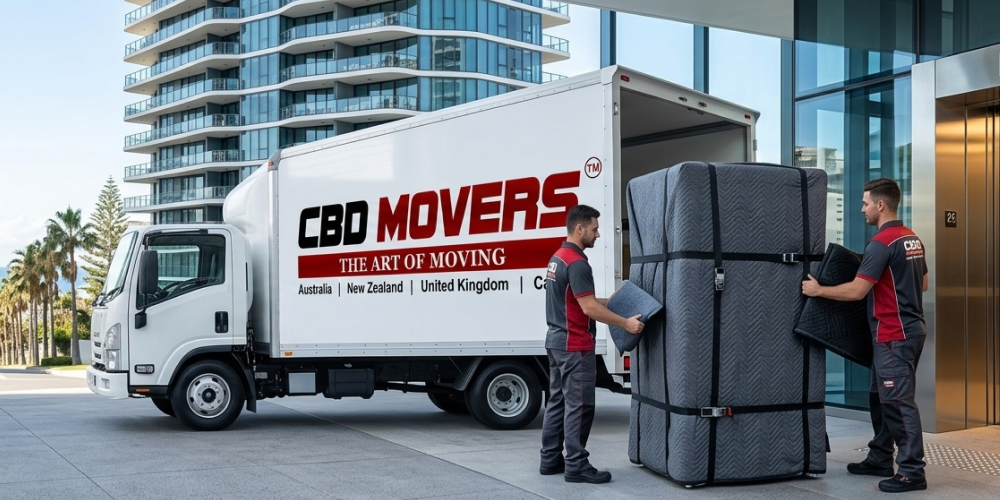
An apartment move comes with a set of challenges that standard house moves simply don’t face. Narrow lift access, building management protocols, restricted loading zones, and coastal humidity all combine to make high-rise packing a genuinely specialised skill.
Gold Coast had the highest proportion of flats and apartments -at 23.7% among all local government areas in South East Queensland ACCC, according to ABS Census data. Surfers Paradise itself is almost entirely high-rise apartments Safeworkaustralia, making apartment-specific moving knowledge essential for anyone relocating in or out of the suburb.
This high-rise moving guide covers everything from packing materials suited to coastal conditions, to lift booking protocols, to the common mistakes that turn moving day into a nightmare.
Understanding High-Rise Moving Challenges in Surfers Paradise
Elevator logistics are the single biggest differentiator between a high-rise and a house move. Lifts have strict weight limits, limited interior dimensions, and are shared with other residents. A sofa that fits through your front door may not fit in the lift and finding that out on moving day is a costly surprise.
Most Surfers Paradise buildings require advance notice often 48 to 72 hours for lift bookings. Weekend and month-end dates fill up quickly. Failing to secure the lift early can mean waiting hours for access or rescheduling entirely.
Parking is another consistent challenge. Buildings in Surfers Paradise rarely have dedicated removalist loading bays. Street parking restrictions and traffic enforcement add further pressure on Gold Coast apartment relocation days.
Salt air exposure during loading and unloading is a real risk. Open lifts, ground-floor lobbies, and loading docks are all exposed to the coastal environment. Items left unprotected even briefly can be affected by humidity and airborne salt.
Essential Packing Supplies for Coastal Apartment Moves
Coastal moving tips start with the right materials. Standard cardboard boxes are adequate for most items but can weaken quickly in high-humidity conditions. For electronics, documents, and timber furniture, moisture-resistant alternatives are worth the extra investment.
Recommended materials for a Surfers Paradise apartment move:
| Item Category | Recommended Protection | Moisture Rating |
|---|---|---|
| Electronics | Silica gel sachets + sealed plastic wrap | Excellent |
| Documents | Waterproof document bags | Superior |
| Clothing | Vacuum storage bags | Good |
| Timber furniture | Moving blankets + plastic sheeting | Good |
| Metal hardware | Anti-corrosion wrap or dry packaging | Good |
Salt air accelerates corrosion on metal fixtures, hinges, and frames. Even short exposure during loading can begin the process. Double-wrapping metal components and using desiccant sachets inside protective packaging provides reliable protection.
For fragile items, the double-boxing method is standard practice in coastal moves. Place the item in a snug inner box, surround it with padding, then place that inside a slightly larger outer box with additional cushioning. This absorbs impact from both horizontal and vertical movement critical during lift transport.
Apartment Move Checklist: 8 Weeks Out
A structured timeline prevents the scramble that derails most apartment moving strategy plans. Eight weeks sounds early but for Surfers Paradise high-rises, it’s appropriate.
Weeks 8–6: Initial Planning
Notify your building manager of your intended move date as early as possible. Request the building’s specific requirements: lift booking procedures, approved moving hours, floor protection requirements, and any insurance certificates your removalist may need to supply.
Contact your body corporate or strata manager to confirm whether any additional approvals are needed. Under the Body Corporate and Community Management Act 1997 (Qld), bodies corporate can set by-laws governing how common property – including lifts and lobbies – is used.
The Queensland Government’s body corporate information page is a useful starting point to understand your obligations as a resident or tenant. Some buildings require formal written notice.
Begin sourcing coastal-grade packing materials. Don’t leave this to the final week.
Weeks 5–3: Logistics Coordination
Book your Gold Coast apartment relocation team and confirm lift access with the building manager. Get confirmation in writing.
Measure all oversized furniture against the lift interior dimensions. Do this now not the day before the move. If items won’t fit, arrange alternative access (staircases, external lifts if available) or organise disassembly in advance.
Confirm parking arrangements with building management. If street parking is required, check local council restrictions and consider whether a parking permit is needed.
Weeks 2–1: Final Preparations
Begin high-rise packing room by room, starting with items used least frequently. Label every box with the room destination and a brief contents description.
Pack an “essentials” bag containing items you’ll need on arrival night phone charger, toiletries, change of clothes, important documents, keys.
Confirm all bookings the day before: removalist team, lift access time, parking arrangements, and utility connections at the new address.
Professional Wrapping Techniques for Lift Transport
High-rise packing requires techniques adapted for vertical movement and tight manoeuvring spaces. Standard horizontal-only packing assumptions don’t apply.
Wrap furniture corners and edges before applying blankets. Corner protectors prevent dents during lift entry and exit the moments of highest impact risk. Secure all blankets and wrapping with stretch wrap so nothing shifts during transit.
For items transported upright in the lift, ensure the base is stable and the item cannot tip. Use furniture straps to secure tall items to a dolly, keeping the centre of gravity low.
Protect lift walls with removalist blankets before loading begins. Many buildings require this, and it prevents damage claims against your bond or strata insurance.
For fragile items in coastal conditions, use the double-barrier method: an inner layer of bubble wrap for cushioning, then an outer layer of plastic sheeting to seal against moisture. Leave no gaps at joins or seams.
Building Coordination and Access Management
Effective communication with building management is what separates smooth Gold Coast apartment relocation experiences from stressful ones. Confirm the following before moving day:
- Written lift booking confirmation with time slot and duration
- Approved moving hours (many buildings restrict moves to weekdays or specific hours)
- Floor protection requirements in corridors and lift interiors
- Confirmation of parking or loading dock access
- Removalist insurance documentation if required by the strata
- Contact number for building management on the day
Have a backup plan ready. Lifts break down, access windows change, and parking situations shift. Know in advance what your fallback options are whether that’s a secondary lift, a stairwell route, or an adjusted time slot.
Our removalists in Surfers Paradise team has established relationships with building managers across the suburb. This local knowledge routinely prevents delays and access complications on moving day.
Common Mistakes to Avoid in High-Rise Apartment Moves
Not measuring the lift. This is the most costly and preventable mistake. Measure lift interior dimensions height, width, and depth and check every large item against them before moving day.
Booking too late. Peak moving periods in Surfers Paradise see high demand for both professional teams and building lift access. Book your removalist and your lift slot at least four to six weeks out.
Skipping the building coordination step. Assuming access will be available on moving day without formal confirmation leads to delays. Always get lift bookings and parking arrangements confirmed in writing.
Using inadequate materials for coastal conditions. Regular cardboard and standard tape are not reliable in Surfers Paradise’s humidity. Waterproof containers, sealed plastic wrap, and desiccant sachets are worth the investment.
Packing too early in coastal conditions. Packed items sitting in humid conditions for extended periods particularly timber, leather, and electronics are at risk. Pack moisture-sensitive items as close to moving day as practically possible.
Climate Considerations for Coastal Apartment Moves
Surfers Paradise sits in a consistently humid, salt-exposed coastal zone. Gold Coast had the highest proportion of flats and apartments among all South East Queensland local government areas Paulsrubbish, meaning the vast majority of moves in this suburb involve exposure to coastal conditions during loading and unloading.
Allow time after delivery for furniture to acclimatise before assembly. Timber that moves between air-conditioned interiors and ambient coastal humidity needs time to settle. Forcing assembly too quickly puts stress on joints.
Metal hardware, fixings, and frames should be inspected after the move and treated with a light anti-corrosion product if there’s been any salt air exposure during transit.
Sustainable Packing Options
Eco-friendly alternatives to single-use plastics are increasingly available from professional Gold Coast removalists. Biodegradable bubble wrap, reusable plastic moving crates, and recycled-fibre blankets offer comparable protection with lower environmental impact.
Box rental programmes where you hire sturdy plastic crates instead of purchasing cardboard boxes are practical for apartment moves. The crates stack cleanly in lifts, don’t soften in humidity, and are collected after the move. No cardboard waste, no breakdown risk.
According to the Australian Furniture Association, close to 50,000 tonnes of timber furniture is discarded from Australian households at kerbside each year much of it damaged during poorly managed moves. Proper coastal moving tips and quality packing materials directly reduce this waste.
Wrapping Up
A well-planned Surfers Paradise apartment move comes down to preparation, the right materials, and the right team. Elevator logistics, coastal protection, and building coordination are all manageable with enough lead time and local expertise.
Our Gold Coast removalists team handles high-rise moves across Surfers Paradise daily. We know the buildings, the access requirements, and the packing standards needed for coastal conditions. With 100,000+ completed moves across Australia and comprehensive transit insurance included, CBD Movers takes the complexity out of your apartment moving strategy.
Call 1300 223 668 or get your free quote online today.
Frequently Asked Questions
The combination of lift access requirements, restricted moving hours, and direct coastal exposure sets these moves apart. Salt air and sustained humidity demand specialised materials, and building coordination protocols add a logistical layer that house moves don’t involve.
Most buildings require 48–72 hours minimum. For weekends and month-end dates, book one to two weeks ahead at minimum. Confirm in writing and keep your building manager’s contact details handy on the day.
Standard boxes work for most items. For electronics, documents, and timber furniture, plastic containers or sealed waterproof packaging provide better protection given the high humidity in Surfers Paradise.
Electronics, metal hardware, important documents, artwork, and musical instruments all need enhanced protection. Silica gel sachets, waterproof wrapping, and double-boxing are the standard approaches for coastal moves.
For high-value items, complex furniture, or if you’re unfamiliar with lift logistics and building protocols, professional packers provide genuine value. They also carry goods-in-transit insurance, which removes personal liability for damage during packing and transport.
Apply corner protectors before blankets, secure all wrapping with stretch wrap, and use furniture dollies to control movement. Protect lift walls with removalist blankets throughout loading. Measure all items against lift dimensions before moving day.
Lift booking confirmation, approved moving hours, parking or loading dock arrangements, floor protection requirements, removalist insurance documentation, and emergency contact numbers for building management.
Booking on weekdays rather than weekends typically reduces rates. Decluttering before the move reduces volume and therefore cost. Comparing quotes from at least three providers and booking early to avoid peak-period surcharges also helps.