 1300 223 668

When it comes to furniture packing in Robina residents need specialised techniques that account for the Gold Coast’s unique climate challenges. Moving furniture in this vibrant Queensland suburb requires more than basic wrapping methods – it demands a considered approach that factors in humidity, salt air, and the physical realities of handling heavy loads.
According to the Australian Competition and Consumer Commission (ACCC), more than 900 Australians each year require medical treatment from furniture-related incidents, highlighting just how important proper handling and packing practices are.
Meanwhile, Safe Work Australia’s Key Work Health and Safety Statistics (2024) confirms that body stressing – the injury mechanism linked to lifting, carrying, and putting down heavy objects – accounts for 32.7% of all serious workers’ compensation claims nationally. This stat alone underscores why professional-grade furniture packing in Robina moves is not optional; it’s essential.
This comprehensive guide reveals professional techniques for protecting your valuable furniture pieces during furniture transport. You’ll discover specific methods for heavy furniture protection, learn industry-standard procedures for wrapping large items, and understand how Robina’s subtropical climate affects your packing strategy.
Understanding Robina’s Unique Moving Environment for Furniture Packing
Robina’s subtropical climate creates specific challenges that make Gold Coast furniture moving more complex than inland relocations. According to Tourism Australia’s official Gold Coast climate data, humidity on the Gold Coast rarely drops below 65 per cent, climbing as high as 75 per cent during summer – significantly higher than most dry-climate areas further inland.
This coastal moisture affects different materials in unique ways:
- Timber furniture expands and contracts with humidity changes, putting stress on joints and finishes.
- Leather upholstery becomes susceptible to cracking and colour transfer during transport if improperly wrapped.
- Metal hardware faces accelerated corrosion from salt air, particularly for items stored in removalist trucks near the coast.
Additionally, Queensland’s summer sun can heat the interior of a moving truck significantly, compounding the effects of ambient humidity. Planning your Queensland furniture transport around these conditions including timing moves to cooler parts of the day and using climate-appropriate packing materials can make a substantial difference in the condition of your belongings upon arrival.
Essential Packing Materials for Damage-Free Furniture Transport
Quality materials form the foundation of successful furniture packing. Cutting corners on supplies is one of the most common causes of preventable damage during coastal moving. Here are the most effective materials for different furniture types:
- Furniture blankets – Perfect for large timber pieces, providing cushioning and scratch protection.
- Large bubble wrap – Essential for glass surfaces, mirrors, and delicate decorative elements.
- Plastic stretch wrap – Secures drawers and protects upholstery from moisture.
- Corner protectors – Prevent damage to sharp edges during transit.
- Mattress bags – Protect beds and soft furnishings from humidity and dirt.
For professional-grade packing supplies and guidance on selecting the right materials for your move, our furniture removals team can advise based on your specific inventory.
One important note for coastal moving: regular household tape fails in high-humidity environments. Professional-grade packing tape maintains adhesion even in Robina’s elevated moisture conditions, so it’s worth investing in the right supplies before your move day.
Step-by-Step Furniture Disassembly Techniques
Proper disassembly reduces furniture volume and eliminates the stress points most likely to cause damage during transit. Begin this process at least 48 hours before your furniture packing in Robina move to avoid any rushed or careless handling.
- Document each piece with smartphone photos before disassembly.
- Take detailed shots of screw locations, bracket configurations, and assembly sequences. This small step can save hours of frustration during reassembly and prevent forced assembly that damages joints or finishes.
- Remove all drawers, shelves, and loose components first. Unsecured items become projectiles inside moving trucks – even a gentle stop can send a loose drawer sliding into other furniture.
- Pack all hardware in clearly labelled zip-lock bags and tape them securely to the main piece.
- For heavy furniture protection, remove legs from dining tables, bed frames, and dressers where possible. This lowers the centre of gravity and dramatically reduces the risk of leg damage when manoeuvring through door frames or tight corridors.
Professional Wrapping Techniques for Different Furniture Types
Each furniture category requires a specific approach. Timber furniture needs breathable humidity furniture protection that prevents moisture buildup, while leather and upholstered pieces require entirely different treatment to prevent cracking and surface transfer.
Wrapping Large Timber Pieces Effectively
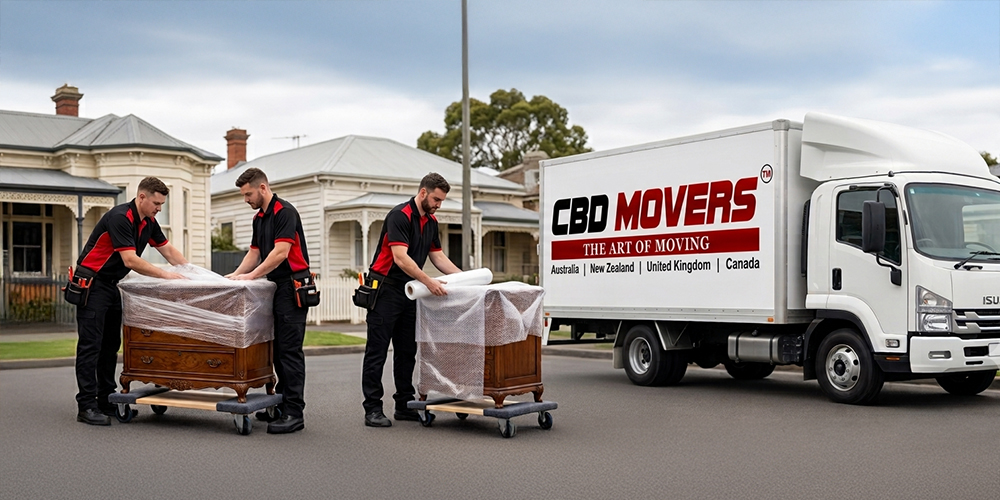
Start with furniture blankets as your base layer. Professional removalists typically use a layered technique – placing one blanket beneath and one on top, then securing with stretch wrap. This method prevents blanket shifting, which is one of the most common causes of exposed edges and subsequent scratches.
For dining tables, wrap the tabletop separately from the base. Apply corner protectors to all sharp edges before adding blankets. The base requires particular attention around carved details and joints, which are vulnerable to cracking under pressure.
Protecting Upholstered Furniture in Humid Conditions
Upholstered pieces need moisture barriers for furniture packing in Robina‘s subtropical environment. Plastic stretch wrap prevents humidity damage but must allow some air circulation to prevent mould growth – leave small gaps at the base for ventilation.
Clean all upholstered surfaces thoroughly before wrapping. Existing stains and food particles can become permanently set during the heat and pressure of transport. For valuable upholstered pieces, consider a professional clean prior to packing.
Handling Glass and Mirror Surfaces Safely
Remove all mirrors, glass shelves, and cabinet doors where possible and transport them separately in purpose-built mirror boxes or custom timber crates for high-value items.
For attached glass that cannot be removed, apply painter’s tape in an ‘X’ pattern across the surface before adding protective materials. This step helps contain any accidental breakage and prevents dangerous shattering if an impact occurs.
Climate Considerations for Gold Coast Furniture Moves
Robina’s coastal location creates ongoing challenges that require special consideration throughout your Gold Coast furniture moving project. Salt air accelerates metal corrosion, while sustained high humidity affects timber and fabric differently to dry climates.
Allow at least 24 hours for climate adjustment after delivery. Timber furniture moving between air-conditioned interiors, warm removalist trucks, and new homes needs time to acclimatise. Immediate assembly can cause joint stress and finish cracking -particularly with solid timber pieces.
For summer moves, consider silica gel dehumidifier sachets inside protective wrapping on valuable timber items. These small sachets absorb excess moisture without requiring perforations that would otherwise reduce your overall humidity furniture protection.
Common Packing Mistakes to Avoid During Your Move
Even experienced movers make critical errors that result in unnecessary damage. Knowing what to avoid is just as important as knowing what to do during professional packing tips implementation.
Never place newspaper directly on finished timber surfaces. Newsprint transfers to furniture finishes, especially during hot weather transport. Always use clean paper, cloth, or dedicated packing paper between any printed material and finished surfaces.
Avoid over-tightening stretch wrap on timber furniture. Excessive pressure causes dents, finish damage, and joint stress. The goal is firm but not compressive wrapping.
Don’t pack small items inside furniture drawers or compartments during transit. These become loose projectiles that damage both the container furniture and whatever’s packed inside. Remove and pack them separately in clearly labelled boxes.
Don’t skip disassembly to save time. The extra 30 minutes spent removing legs and detaching components can prevent hours of repair or replacement costs at the other end.
To save you time, our movers and packers team brings utmost protection to your furniture packing – handles full disassembly and reassembly as part of a comprehensive service.
Sustainable Packing Options for Environmentally Conscious Robina Residents
Robina residents have access to a growing range of eco-friendly packing materials that offer comparable protection to traditional plastics. Biodegradable bubble wrap and recycled-fibre furniture blankets are increasingly available from professional removalists and packing supply stores across the Gold Coast.
According to the Australian Furniture Association, Australian households discard close to 50,000 tonnes of timber furniture at kerbside each year – much of it damaged beyond repair during moves or storage. Proper coastal moving techniques and quality packing are among the simplest ways to extend the life of quality furniture and reduce unnecessary waste.
Conclusion
Successful relocations require a clear understanding of the local climate, the right professional-grade materials, and proven handling techniques. Coastal moving techniques, humidity protection, and proper safe transport practices all play a critical role in ensuring your belongings arrive in exactly the condition they left.
Whether you need a full packing and unpacking service, heavy furniture assistance, or simply advice on the best materials for your move, our Gold Coast removalists team is ready to help.
With 100,000+ completed moves across Australia and a fleet servicing Robina and the broader Gold Coast region, CBD Movers delivers reliable, professional Gold Coast furniture moving at competitive rates.
Call 1300 223 668 or request a free, no-obligation quote online today.
Frequently Asked Questions
Start preparations at least 48–72 hours before your move date. This allows proper time for disassembly, cleaning, and careful wrapping without rushing. The humid local climate also requires additional drying time for any cleaned pieces before sealing them in protective wrap.
Robina’s coastal subtropical climate demands moisture barriers and humidity-resistant materials. Salt air corrodes metal hardware, while sustained high humidity causes timber expansion and affects leather condition – making professional-grade materials essential for any move in this region.
Disassemble wherever possible to reduce volume and eliminate structural weak points. Remove legs, drawers, shelves, and detachable components. Always document the process with photos and store all hardware in labelled bags secured to the main piece – this is a core step that experienced removalists never skip.
Avoid newspaper directly on timber (ink transfer), standard household tape (fails in humidity), and fully sealed plastic wrap on solid timber (traps moisture and promotes mould). Use professional-grade materials designed for Queensland’s subtropical coastal climate.
High-value pieces require custom timber crates, climate-controlled transport where available, and experienced handling. Document condition with detailed photographs before the move, consider specialised transit insurance, and request a team with a proven track record handling antiques and premium pieces.