 1300 223 668
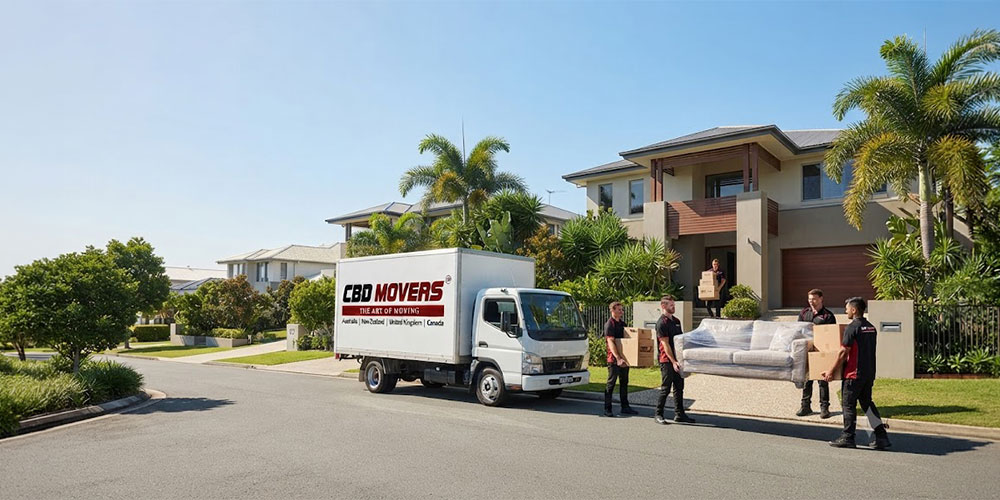
Relocating to a new city presents an exciting milestone, especially when setting your sights on Queensland’s vibrant capital. Known affectionately as the River City, Brisbane combines an appealing subtropical climate with a rapidly expanding economy and a welcoming community atmosphere. For new homeowners, making the transition requires careful preparation, from understanding local property dynamics to planning the physical relocation.
If you are evaluating options for moving to Brisbane, this detailed guide from CBD Movers explores what you can expect from life in Queensland, how the local housing market operates, and how to execute a smooth transition into your new home.
Why Choose Brisbane? Lifestyle and Key Benefits
Brisbane offers a balanced lifestyle that successfully marries metropolitan conveniences with a relaxed, outdoor-oriented culture. Compared to southern capitals like Sydney and Melbourne, the city provides an exceptional quality of life under the generous Queensland sun. At CBD Movers, our local teams aim to support families relocating across the country to enjoy these exact lifestyle benefits.
A Subtropical Climate Built for Outdoor Living
One of the primary attractions for those who choose to relocate to Brisbane is the climate. The city experiences over 2,800 hours of sunshine annually.
- Spring (September – November): Mild temperatures ranging from 17°C to 29°C with low humidity, making it an ideal time for outdoor activities.
- Summer (December – February): Warm and humid, with average daily highs around 31°C. Afternoon thunderstorms are common, bringing welcome relief from the heat.
- Autumn (March – May): Pleasant days with cooling evenings, as temperatures settle between 15°C and 29°C.
- Winter (June – August): Mild and dry, with daily maximums averaging 24°C and nighttime lows rarely dropping below 11°C.
Economic Growth and Job Opportunities
The local economy in South East Queensland continues to show remarkable strength. According to official data from the Australian Bureau of Statistics, the median weekly household income in Queensland reached $1,675 during the 2021 Census, reflecting a solid economic foundation across the state.
Key employment sectors driving growth in Brisbane include healthcare and social assistance, professional and technical services, construction, and education. The city’s ongoing infrastructure investments ahead of major international sporting events continue to create diverse employment opportunities across multiple industries.
Is Brisbane a Good Place to Live for New Homeowners?
When prospective buyers ask, “is Brisbane a good place to live?” the answer often lies in its diverse choice of suburbs, strong community spirit, and relative housing accessibility.
Understanding Brisbane Regions and Suburbs
Selecting the right neighbourhood depends heavily on your lifestyle preferences, commuting needs, and family requirements.
- Inner City: Suburbs like New Farm, Teneriffe, and the West End offer high-density urban living, boutique dining, and immediate access to the Brisbane riverside precinct and South Bank Parklands.
- Northside: Areas such as Chermside, Nundah, and Ascot feature a blend of historic Queenslander homes, modern developments, and major retail hubs.
- Southside: Suburbs including Mount Gravatt, Holland Park, and Sunnybank are popular for their strong sense of community, top-tier school catchments, and vibrant culinary scenes.
- Western Suburbs: Indooroopilly and Toowong provide leafier residential streets situated close to major educational institutions like the University of Queensland.
Housing Market Overview for Buyers and Renters
Navigating the property market is a crucial step for anyone planning to move to Brisbane. While property values have experienced steady growth, the market remains competitive.
Median Property Prices
Housing values vary significantly based on proximity to the central business district and local infrastructure. Indicative median values across different tiers include:
- Entry-Level / Outer Suburbs: Areas such as Eagleby or Acacia Ridge typically feature indicative median house prices ranging from $490,000 to $650,000.
- Middle-Ring Suburbs: Suburbs like Strathpine, Nundah, and Mount Gravatt generally showcase indicative prices between $750,000 and $1,050,000.
- Premium Inner Suburbs: Prestige locations such as Clayfield, Hendra, and New Farm often report median values exceeding $1,500,000.
Navigating Your Move: Logistics and Planning with CBD Movers
Executing a long-distance or local relocation requires structured planning. Whether you are arranging house removals or coordinating interstate transit schedules, early preparation minimises potential downtime. Partnering with experienced removalists in Brisbane like us helps manage the physical workload efficiently.
Phase 1: Planning- Audit belongings & obtain estimates
Phase 2: Packing- Secure supplies & wrap with blankets
Phase 3: Transit- Coordinate haulage & track timelines
Phase 4: Settling In- Engage local trades & set up utilities
Organising Your Interstate Relocation
If you are relocating from southern states, such as moving from Sydney to Brisbane, you must factor in transit distances exceeding 900 kilometres. Driving routes typically follow the Pacific Motorway (M1) or the inland New England Highway, taking approximately 10 to 12 hours of driving time under standard road conditions.
When booking removalists to manage long-distance transit, review the estimated timeline carefully. You can read our detailed planning and delivery timelines for Brisbane moves to better understand standard transit schedules, loading factors, and freight considerations.
Packing and Preparing Belongings
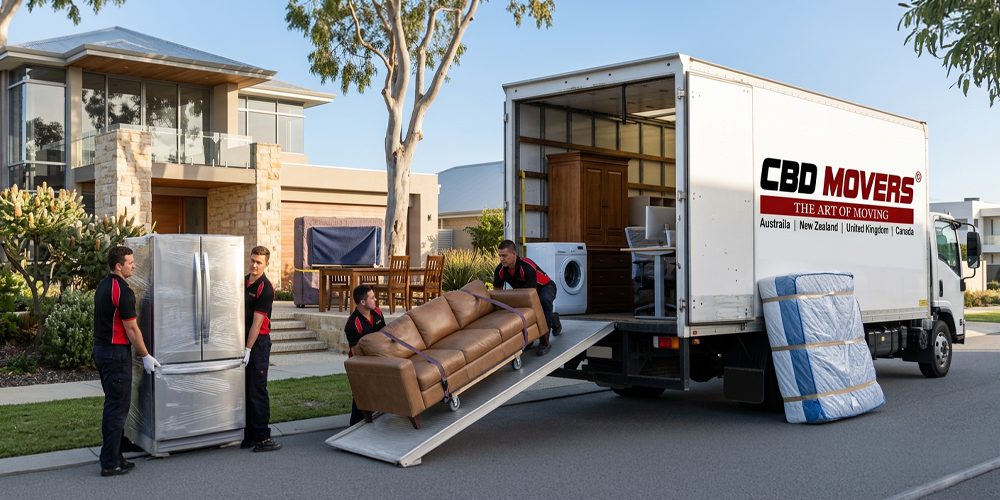
Protecting furniture during transit is vital, particularly when navigating interstate highways. At CBD Movers, our professional removalists focus on safeguarding household items by utilising high-grade protective moving blankets, heavy-duty webbing, and specialised loading techniques within our trucks. To estimate potential packing schedules and costs, review our guide on packing services in Brisbane guide.
Moving to Brisbane from Sydney: Key Considerations
A significant proportion of new residents arrive via the interstate corridor from New South Wales. Making the transition from Sydney to Queensland’s capital involves several practical adjustments.
| Factor | Sydney | Brisbane |
| Pace of Life | Fast-paced, high-density traffic | Balanced, river-centric, outdoor lifestyle |
| Climate | Temperate (Cooler winters) | Subtropical (Warm year-round, humid summers) |
| Public Transport System | Opal Card network | TransLink go card network (Buses, Trains, CityCats) |
| Housing Style | High prevalence of terraces & apartments | Mix of classic Queenslanders, townhouses & modern builds |
When planning a relocation along this specific route, engaging experienced interstate movers ensures that large furniture items, appliances, and household goods are transported safely across state borders.
Practical Setup Steps for New Homeowners
Once the physical relocation is complete, turning a new property into a fully functional home involves several administrative and maintenance tasks.
Utility Connections and Infrastructure
Arrange for utility connections at least one week prior to moving in. Major service providers operate across South East Queensland for electricity, reticulated gas, and NBN internet connections.
- Electricity: Daily supply charges and usage rates vary by retailer. Ensure power is active on your settlement date.
- Water: Water supply and sewerage services in the region are managed by service providers such as Urban Utilities.
- Internet: NBN coverage is widespread across metropolitan Brisbane, offering fixed-line, fibre-to-the-premises, and wireless options depending on the suburb.
Securing Local Tradesmen After Moving
After taking ownership of a new house, homeowners frequently require assistance with trade services, minor repairs, or lock changes. Finding reliable local tradesmen after moving is an important early step.
- Electrical and Plumbing: Verify that any trade professional holds an active licence with the Queensland Building and Construction Commission (QBCC).
- Locksmiths: Changing external door locks upon taking possession of a new home is recommended for enhanced security.
- Garden and Pool Maintenance: Subtropical foliage grows rapidly during warmer months. Establishing regular maintenance schedules helps keep grounds neat.
Driver Licensing and Vehicle Registration
If you are moving permanently from interstate or overseas, Queensland regulations require you to transfer your driver’s licence to a Queensland licence within three months of residing in the state. Vehicle registration must also be transferred through a Department of Transport and Main Roads customer service centre.
Getting Around: Public Transport and Roads
Understanding the local transport infrastructure makes daily commuting and weekend exploration straightforward.
The TransLink Network
Brisbane’s public transport network is integrated under the TransLink banner. Commuters utilise a smart card system called the go card to travel seamlessly across different transit modes.
- Buses: Extensive busways line key corridors, providing rapid transit into the CBD from outer suburbs.
- Trains: Suburban rail lines connect greater Brisbane, extending south to the Gold Coast and north to the Sunshine Coast.
- Ferries (CityCat): The iconic CityCat catamarans and CityHopper ferries navigate the Brisbane River, offering both a practical daily commute and scenic views of the city skyline.
Major Road Arterials
For motorists, navigating the city involves getting familiar with several key motorways and arterial roads:
- M1 (Pacific Motorway): Connects Brisbane directly to the Gold Coast and extends north towards the Sunshine Coast as the Bruce Highway.
- M3 (Inner City Bypass / Riverside Expressway): Facilitates direct travel around and through the central business district.
- CLEM7 and Airport Link Tunnels: Underground toll routes designed to bypass inner-city traffic bottlenecks and connect directly to Brisbane Airport.
Getting Directions to Brisbane and Travel Options
If you are travelling to inspect properties or arriving ahead of your moving truck, multiple travel options exist to reach the region.
- By Air: Brisbane Airport (BNE) operates major domestic and international terminals located approximately 12 kilometres northeast of the CBD. Direct flights connect Brisbane to all major Australian capital cities.
- By Rail: NSW TrainLink operates interstate rail services connecting Sydney Central to Brisbane Roma Street station.
- By Road: Motorists travelling from the south follow the Pacific Highway/Motorway corridor. Ensure you account for rest stops during long-distance driving.
Essential Local Amenities and Lifestyle Destinations
Settling into Brisbane living means enjoying the world-class recreational facilities located throughout the metropolis.
Cultural and Recreational Precincts
- South Bank Parklands: Located directly opposite the CBD, this 17-hectare parkland features manicured gardens, licenced dining, and Streets Beach – Australia’s only inner-city man-made beach.
- Cultural Centre: Home to the Queensland Art Gallery and Gallery of Modern Art (QAGOMA), the Queensland Performing Arts Centre (QPAC), and the Queensland Museum.
- Brisbane Riverside Walkways: Dedicated pedestrian and cycle paths follow the meanders of the river, connecting West End, South Bank, the CBD, and New Farm.
Natural Escapes Nearby
New residents can easily take advantage of surrounding natural attractions on weekends:
- Mount Coot-tha Reserve: Provides panoramic lookouts over the city skyline, walking trails, and extensive botanical gardens.
- Moreton Bay and Islands: North Stradbroke Island (Minjerribah) and Moreton Island offer pristine beaches, coastal walking tracks, and ocean recreation just a short ferry ride from the mainland.
- D’Aguilar National Park: Located a short drive northwest of the city, offering subtropical rainforest walks and scenic lookouts.
Relocating Household Goods Safely
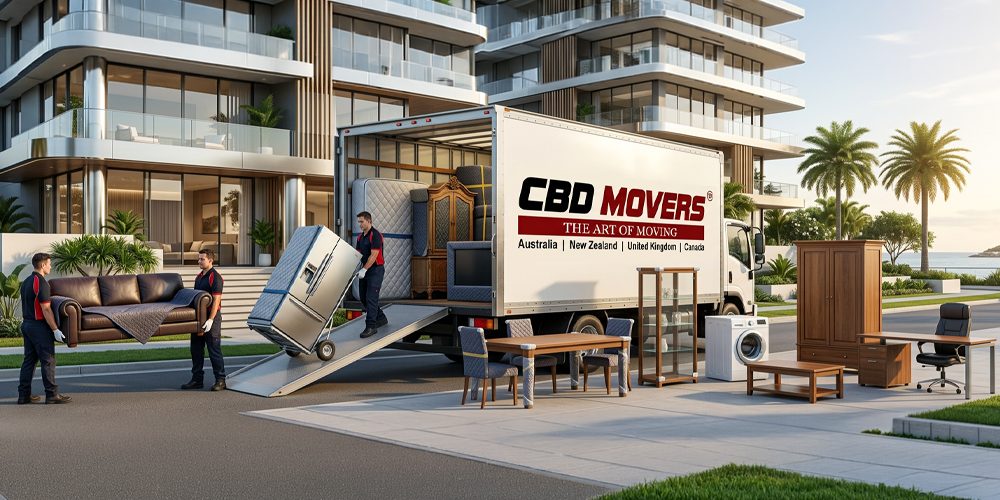
Managing a household move involves coordinating moving dates, packing schedules, and heavy lifting. For residential relocations, engaging professional house removalists helps streamline the transport of household goods.
When transferring bulky items such as dining sets, lounges, and bedroom suites, specialised furniture removals teams utilise equipment designed to handle large items safely through narrow doorways and stairwells.
If you are relocating an office or commercial workspace alongside your residential move, commercial relocation solutions are also available.
Notice Regarding Office Relocations:
Please note that commercial removal services cover standard office furniture such as desks, chairs, and filing cabinets. Removalists do not undertake any IT-related dismantling or disconnection work, including computers, servers, network systems, or wiring. All electronic equipment must be properly disconnected and prepared prior to the scheduled move.
Essential Checklist for New Brisbane Residents
To ensure your relocation stays on track, follow this practical checklist:
- Finalise property settlement or lease agreement
- Request moving estimates and confirm your relocation date
- Begin sorting belongings; dispose of or donate unneeded items
- Arrange utility connections (Electricity, Water, Gas, Internet)
- Update postal address with financial institutions and government agencies
- Transfer driver’s licence and vehicle registration within 3 months
- Research local tradesmen after moving for maintenance or security needs
- Purchase a TransLink go card for public transport travel
Start Planning Your Relocation with CBD Movers
Relocating to Queensland offers an exciting opportunity to build a lifestyle surrounded by warm weather, thriving communities, and economic growth. By preparing early, researching your target suburb, and working with reliable removalists, you can focus on settling into your new environment.
For professional support with local or interstate relocations, reach out to the team at CBD Movers or contact us to request an indicative quote tailored to your specific moving requirements.
Frequently Asked Questions
Brisbane features a subtropical climate with warm, humid summers (averaging around 31°C) and mild, dry winters (averaging around 24°C). The region receives substantial sunshine year-round, making outdoor activities popular in every season.
It is recommended to book your interstate move at least 2 to 4 weeks in advance, particularly if moving during peak periods such as summer, school holidays, or the end of the month. Early booking helps secure your preferred moving dates.
You must apply for a Queensland driver’s licence within 3 months of moving to Queensland. Visit a Department of Transport and Main Roads (TMR) customer service centre.
Bring:
- Proof of identity
- Proof of Queensland residency
- Your current interstate driver’s licence
- A completed driver’s licence application form
Your interstate licence will be surrendered and replaced with a Queensland driver’s licence.
Yes, the TransLink network provides integrated bus, train, and ferry services across metropolitan and outer suburbs. Passengers use a reusable go card to travel seamlessly across all modes of transport.
Interstate moving costs depend on several variables, including:
- Volume: More belongings generally mean higher costs.
- Distance: Longer interstate moves typically cost more.
- Access: Stairs, narrow driveways, or limited access can increase charges.
- Packing: Professional packing services may add to the overall cost.
- Special items: Bulky or fragile items may require additional handling.
All quotes provided by removal companies serve as indicative estimations based on these specific inputs.