 1300 223 668
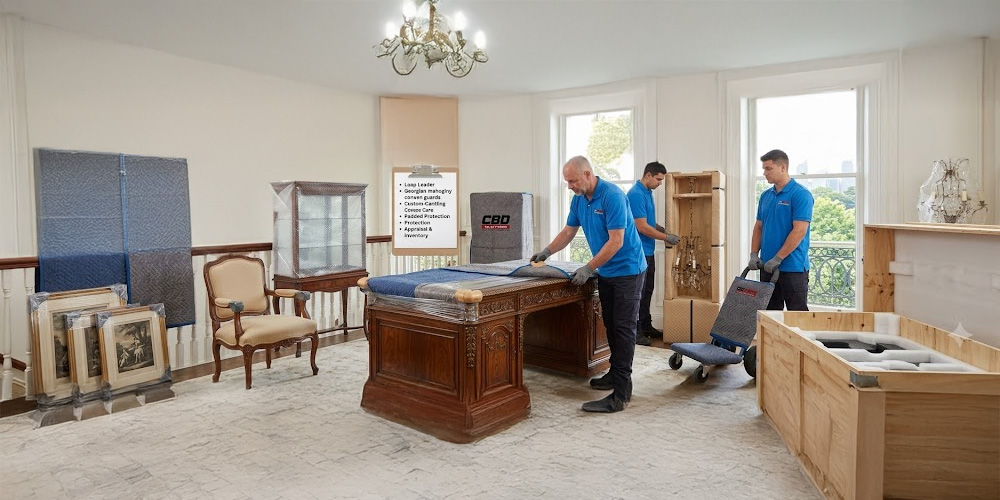
Moving house is stressful enough without worrying whether your grandmother’s dresser will survive the trip. For Sydney homeowners with heirloom pieces, a standard removal job simply isn’t built for the task. Antique furniture movers in Sydney work differently to general removalists, using techniques and materials designed specifically to protect timber, joinery, and finishes that can’t be replaced.
This guide walks you through what makes antique furniture relocation different, how to choose the right team, and the practical steps that keep your valuable pieces safe from the first box to the final unpack.
Why Antique Furniture Needs Specialist Care?
Antique furniture isn’t just old. It’s often built with animal hide glue, hand-cut joints, and veneers that respond badly to knocks, vibration, and sudden shifts in temperature. A dining table that has survived eighty years in one house can develop a hairline crack from a single careless lift onto a truck.
This is why furniture relocation for antiques calls for a different mindset than moving flat-pack items. The goal isn’t just to get the piece from A to B. It’s to manage every point of contact, from the first touch in the lounge room to the final placement in your new home, so the item arrives in the same condition it left in.
For many Sydney families, these pieces carry stories as well as value. That combination of sentimental and financial worth is exactly why hiring antique furniture removal services team who understand antiques matters more than chasing the cheapest quote.
What Makes Antique Furniture Movers in Sydney Different?
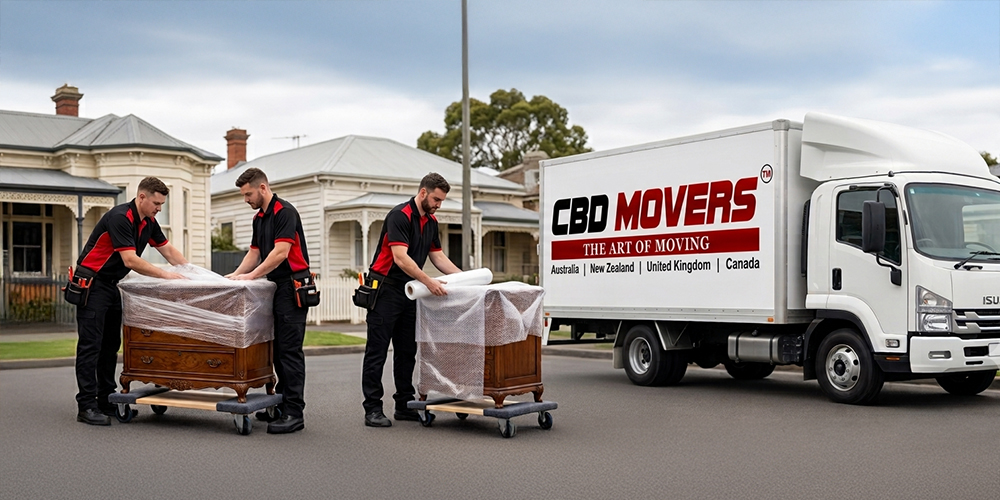
General removalists are trained to move volume efficiently. Antique furniture movers in Sydney are trained to slow down. The best teams inspect each piece before touching it, checking for existing damage, loose joints, or unstable veneer, then choose a handling method to suit. This might mean fully crating a marble-topped cabinet, wrapping a chaise longue in padded moving blankets rather than plastic, or disassembling a bed frame instead of tilting it through a doorway.
Fragile item moving also demands the right vehicle setup. Air-ride suspension, secure strapping points, and careful loading order all reduce the vibration and jolting that damage old timber and finishes over a long drive.
If you’re weighing up a specialist antique furniture removal service, ask directly how their crew handles fragile item moving day to day, not just what equipment they own.
| Furniture Type | Common Risk During a Move | Recommended Handling |
|---|---|---|
| Timber dressers and wardrobes | Split veneer, loosened joints | Empty drawers, secure doors, pad corners, carry upright |
| Upholstered chairs and settees | Fabric tears, frame stress | Wrap in breathable moving blankets, lift by the frame |
| Glass-topped or marble tables | Cracking, chipped edges | Remove glass or marble separately, crate if fragile |
| China cabinets and display units | Shattered glass, shelf damage | Remove shelves and glass panes before transport |
| Grandfather clocks and cased items | Mechanism damage, cracked casing | Lock or remove pendulum, transport upright and padded |
Choosing the Right Antique Furniture Movers in Sydney
Not every removalist advertising “antique experience” has the training to back it up. Before booking, look for a company that offers a written condition assessment before the move, uses padded crates or custom boxing for delicate pieces, and trains staff specifically in furniture relocation techniques rather than general household moving.
It also helps to read client reviews from other homeowners who’ve moved similar items, and to ask whether the company services your specific Sydney suburb.
Experienced Sydney home removalists understand factors making antique furniture removal more challenging.
| Factor | DIY Approach | Professional Antique Furniture Movers |
|---|---|---|
| Packing materials | Standard blankets or bubble wrap | Purpose-cut crating, heavier padding |
| Handling technique | Learned on the day | Trained lifting and carrying methods |
| Vehicle setup | Standard van or ute | Secured, padded transport with strapping points |
| Risk of damage | Higher, especially on joints and glass | Lower, with trained inspection beforehand |
| Time and stress | Higher for the homeowner | Managed by an experienced crew |
Packing Techniques That Protect Fragile Pieces
Good fragile item moving starts well before moving day.
- Drawers and doors should be emptied and secured with painter’s tape rather than anything adhesive that could mark the finish.
- Corners get extra padding, since they take the brunt of accidental knocks in tight hallways.
- Glass and mirrors are wrapped separately, never transported flat against another hard surface, and marked clearly so nobody sets a box on top of them.
If your move includes packing help, ask whether the movers and packers team has experience with fragile item moving specifically, since general packing speed isn’t the same skill as protecting an inlaid writing desk. A slower, more deliberate pack on the day usually means far less repair work afterwards.
Sydney-Specific Moving Challenges
Sydney throws up a few problems that don’t come up as often elsewhere. Terrace houses in suburbs like Paddington and Balmain often have narrow staircases and tight turns that make manoeuvring a large wardrobe genuinely difficult.
Apartment buildings across the CBD and inner west usually require lift bookings and loading dock access, arranged with the strata manager well ahead of the move. Coastal humidity closer to the harbour can also affect timber furniture during storage, so furniture relocation timing matters if pieces need to sit in transit or storage for any length of time.
A company offering Sydney removalists services across these varied property types will usually have already mapped out the access issues for older buildings, which saves a lot of back-and-forth on the day.
Climate, Handling and Transport Considerations
Temperature and humidity swings are one of the biggest hidden risks in furniture relocation. Wood is a porous material, and it expands and contracts as moisture levels change, which over time can loosen joints and crack finishes.
The Australian Institute for Conservation of Cultural Material and other professional bodies recommend keeping temperature between 15 and 25 degrees Celsius and relative humidity between 45 and 55 percent for temperate locations like Sydney, according to guidance published by the State Library of NSW. Avoiding a hot truck sitting in the sun for hours, or a garage with no airflow, goes a long way toward protecting timber pieces.
Handling technique matters just as much. The Western Australian Museum’s conservation guidance recommends gripping furniture only in areas that can support its full weight, such as a chair’s rail or a table’s apron, rather than legs or tabletops, part of its published museum handling guidelines for wooden objects.
On the safety side, Safe Work Australia recommends using mechanical aids, appropriate workspace heights, and correct lifting procedures to reduce injury risk when handling heavy or awkward items, detailed in its manual handling guidance.
This is exactly why trained crews rather than solo lifting reduce both furniture damage and personal injury.
| Stage | Key Actions |
|---|---|
| Before the move | Book a condition assessment, confirm strata or lift access, gather packing materials |
| Moving day | Empty drawers, pad corners, remove glass separately, load last and unload first |
| First 48 hours | Let furniture acclimatise before placing against walls, avoid direct sun or heating vents |
| First month | Monitor for movement in joints, check finishes for any transport marks |
Why Professional Antique Furniture Moving Is a Worthwhile Investment?
While it may be tempting to save money by handling valuable furniture yourself, the risks often outweigh the potential savings. Antique pieces frequently contain fragile joinery, aged timber, delicate veneers, and original finishes that can be permanently damaged by incorrect lifting or inadequate packing.
Professional antique furniture movers in Sydney have the specialised equipment, protective materials, and handling expertise required to move these items safely, reducing the likelihood of costly repairs or restoration work after the move.
Beyond physical protection, specialist movers provide peace of mind throughout the relocation process. From conducting pre-move assessments to implementing tailored packing and transport solutions, experienced antique furniture movers in Sydney understand the unique challenges involved in relocating heirlooms and collectables.
Their knowledge helps ensure valuable pieces arrive in the same condition they left, allowing homeowners to focus on settling into their new property rather than worrying about potential damage during transit.
Post-Move Care for Your Antique Pieces
Once your furniture relocation is complete, resist the urge to push everything straight into its final spot. Let pieces sit in the room for a day or two so timber can adjust to the new environment before you start rearranging around it.
If your new home needs a proper clean before furniture goes back in, opt cleaners that offers a cleaning service where surfaces and floors are dust-free before you place antique pieces back down.
If you’re not ready to unpack everything immediately, ask your antique furniture movers in Sydney about storage spaces rather than leaving antiques in a garage or shed, where humidity and temperature swings are hardest to control.
If you’re still deciding between handling the move yourself and calling in a specialist team, this movers vs DIY guide breaks down the trade-offs, and for more detail on protecting collectables specifically, this antique moving guide covers secure packing methods in more depth.
Review: Customer Experience with CBD Movers
★★★★★
“Very helpful and efficient movers. Big Thanks to both of them.”
★★★★★
“The removalist people were very helpful and courteous. Everything got moved in a safe and effective manner.”
Conclusion
Antique furniture carries value that goes well beyond its price tag, and protecting it during a move comes down to planning, the right materials, and a crew trained to handle delicate pieces with patience rather than speed.
Sydney’s mix of heritage terraces, apartment strata rules, and coastal humidity adds a few extra variables, but none of them are hard to manage with the right removalist on your side. Whether you’re relocating a single heirloom cabinet or an entire collection, taking the time to choose antique furniture movers in Sydney who understand fragile item moving will save you far more stress than it costs.
When you’re ready to book, get in touch with the CBD Movers team to talk through your specific pieces and plan a move that keeps them safe from start to finish.
Frequently Asked Questions
Antique handling usually costs slightly more due to extra padding, crating, and slower loading times. The difference is typically small compared to the cost of repairing or replacing a damaged heirloom piece.
Book at least three to four weeks ahead, especially for inner-city moves involving strata approvals, lift bookings, or narrow terrace access that need extra planning time.
Yes. Glass and marble surfaces are removed separately, wrapped individually, and transported upright in padded crates rather than left attached to the base furniture.
Sudden temperature and humidity changes, along with rough handling at doorways and staircases, cause most damage. Trained crews plan routes and climate control to avoid both.
Yes. Empty and secure all drawers and doors beforehand. Loaded drawers add unnecessary weight and stress to joints during transport, increasing the risk of cracking.
Climate-controlled storage protects antiques better than a garage or shed. Ask your removalist about short-term storage spaces if there’s a gap between moving out and moving in.